


4 Spring Foods That Boost Your Brain (and Why They Work)

Spring is more than just a change in weather, it’s a reset. As the days grow longer and fresh produce becomes more abundant, it’s the perfect time to rethink what’s on your plate. What you eat doesn’t just affect your body; it has a direct and powerful impact on your brain. From memory and focus to mood and long-term cognitive health, certain foods can help your brain perform at its best.
Spring offers a unique lineup of seasonal foods that are especially rich in nutrients known to support brain function. In this post, we’ll explore four standout spring foods that can give your brain a boost—and explain exactly why they work.
1.
Asparagus:
The
Folate
Powerhouse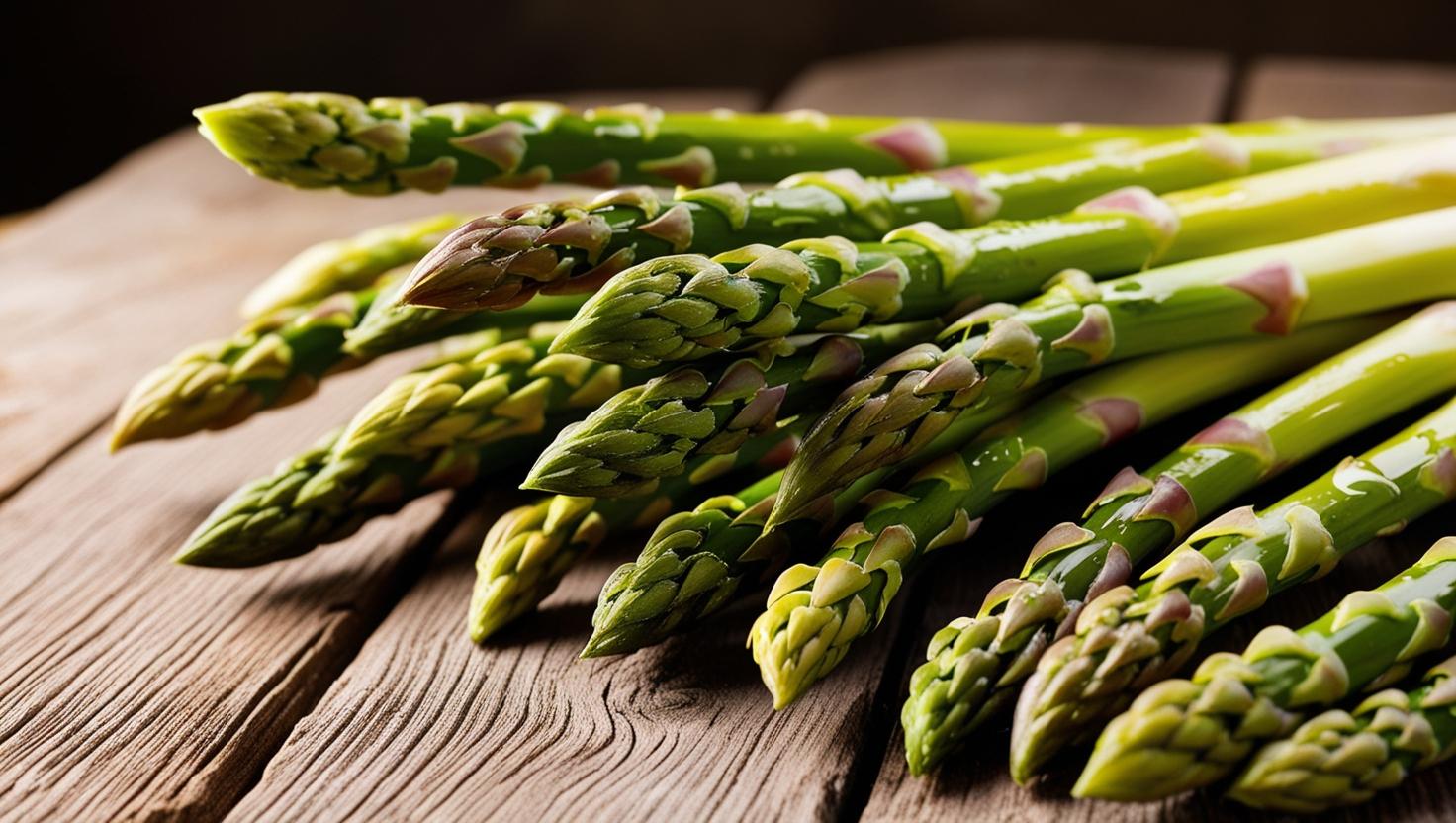
Asparagus is one of the first vegetables to appear in spring, and it’s a nutritional gem when it comes to brain health.
Why it’s good for your brain:
Asparagus is loaded with folate (vitamin B9), a nutrient that plays a crucial role in brain function. Folate helps the body produce neurotransmitters like serotonin, dopamine, and norepinephrine, chemicals that regulate mood, focus, and emotional balance. Low levels of folate have been linked to cognitive decline and even depression.
It also helps reduce levels of homocysteine, an amino acid that, in high amounts, is associated with an increased risk of neurodegenerative diseases and impaired cognitive performance.
Bonus benefits:
- Rich in antioxidants that help fight oxidative stress in brain cells
- Contains prebiotic fiber that supports gut health (which is closely tied to brain health via the gut-brain axis)
- Provides vitamin K, important for cognitive function and brain cell signaling
How to enjoy it:
Lightly steam or roast asparagus to preserve its nutrients. Pair it with olive oil and lemon for a simple, brain-friendly side dish. You can also add it to omelets, salads, or pasta for a spring-inspired meal.
2.
Strawberries:
Antioxidants
for
Memory
and
Focus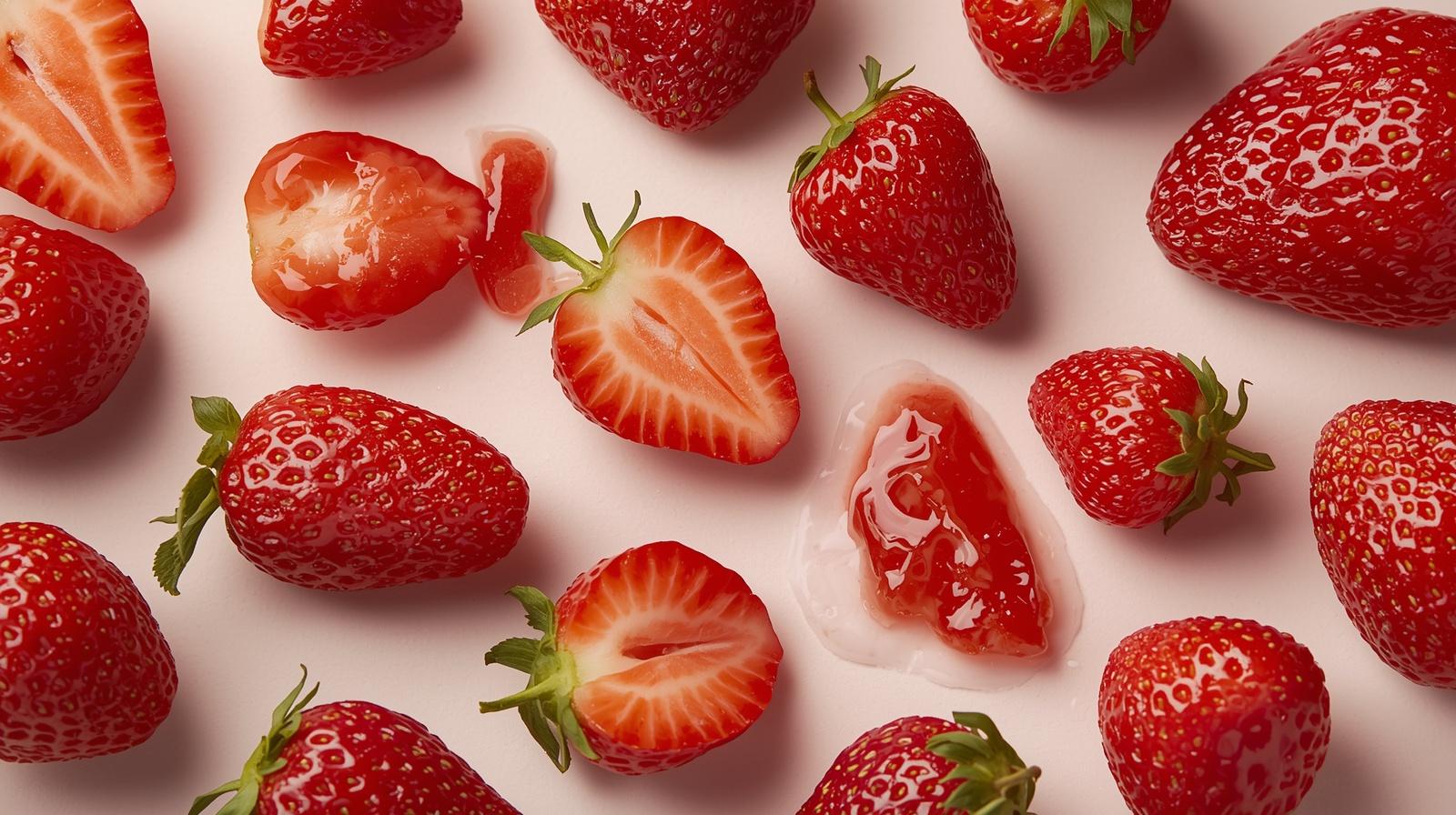
Strawberries come into peak season in spring, and they’re much more than a sweet treat.
Why they’re good for your brain:
Strawberries are rich in flavonoids, particularly anthocyanins, which have been shown to improve memory and delay cognitive aging. These compounds help protect brain cells from damage caused by free radicals and inflammation, two major contributors to cognitive decline.
Research suggests that regular consumption of berries can enhance communication between brain cells, making it easier for your brain to process and store information.
Strawberries also contain vitamin C, which plays a key role in protecting the brain from oxidative stress and supporting overall mental clarity.
Bonus benefits:
- May improve reaction time and decision-making
- Help reduce inflammation in the brain
- Support healthy blood flow to brain tissue
How to enjoy them:
Eat strawberries fresh, blend them into smoothies, or add them to yogurt or oatmeal. For a more creative option, toss them into a salad with spinach, nuts, and a light vinaigrette.
3.
Spinach:
A
Leafy
Green
Brain
Protector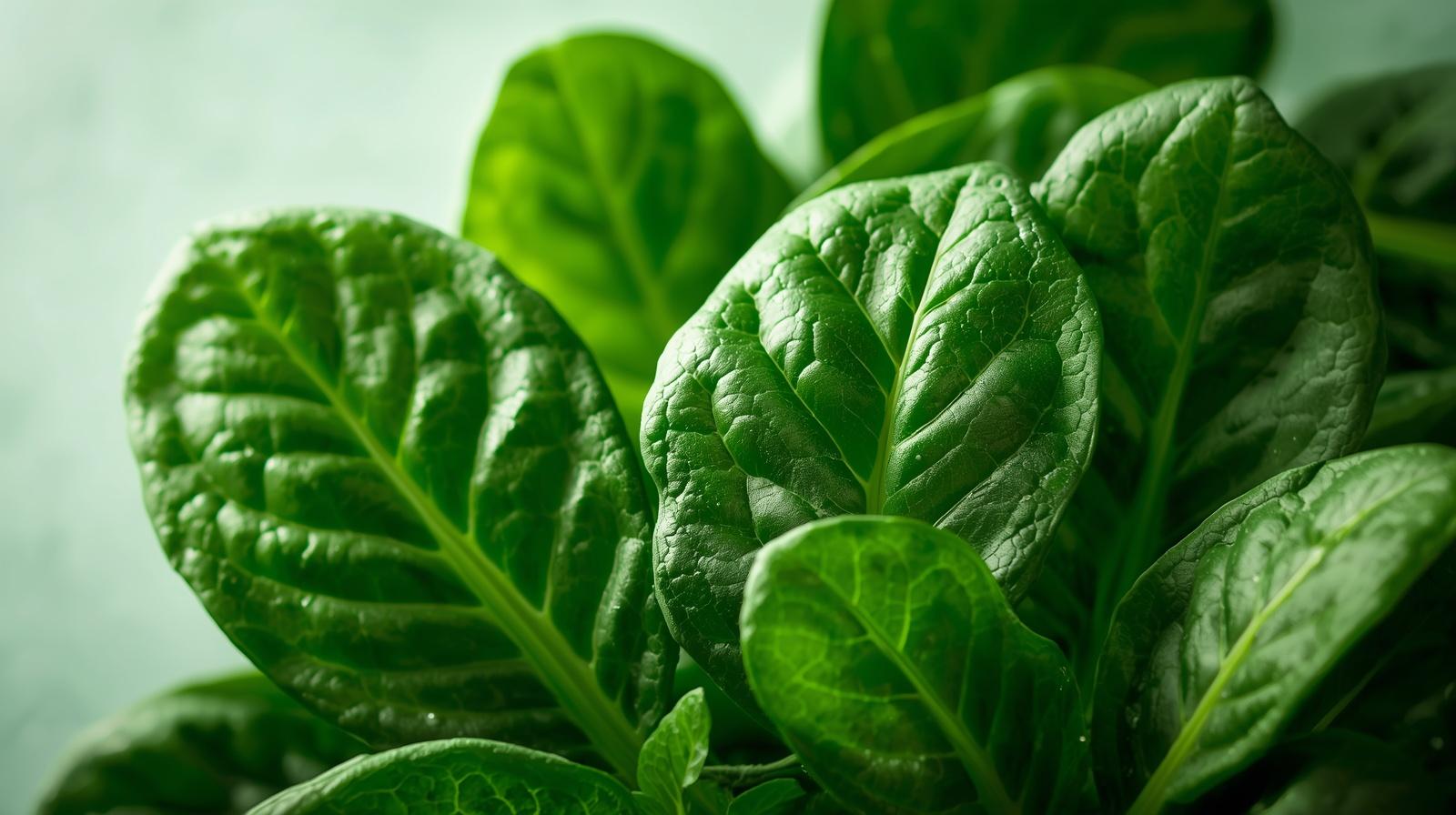
Spinach thrives in the cooler months of spring and is one of the most nutrient-dense foods you can eat.
Why it’s good for your brain:
Spinach is packed with a combination of brain-supporting nutrients, including:
- Vitamin K – essential for brain cell structure and function
- Lutein – an antioxidant linked to improved cognitive performance
- Folate – supports neurotransmitter production
- Beta carotene – helps protect brain cells from damage
Together, these nutrients help slow cognitive decline and improve memory and learning ability. Studies have shown that people who regularly eat leafy greens like spinach tend to have better cognitive function as they age.
Spinach also supports neuroplasticity, the brain’s ability to adapt and form new connections—an essential process for learning and memory.
Bonus benefits:
- Helps reduce brain inflammation
- Supports long-term brain health and aging
- Provides iron, which is important for oxygen delivery to the brain
How to enjoy it:
Add spinach to smoothies, sauté it with garlic, or use it as a base for salads. It’s incredibly versatile and easy to incorporate into almost any meal.
4.
Salmon:
Omega-3s
for
Brain
Power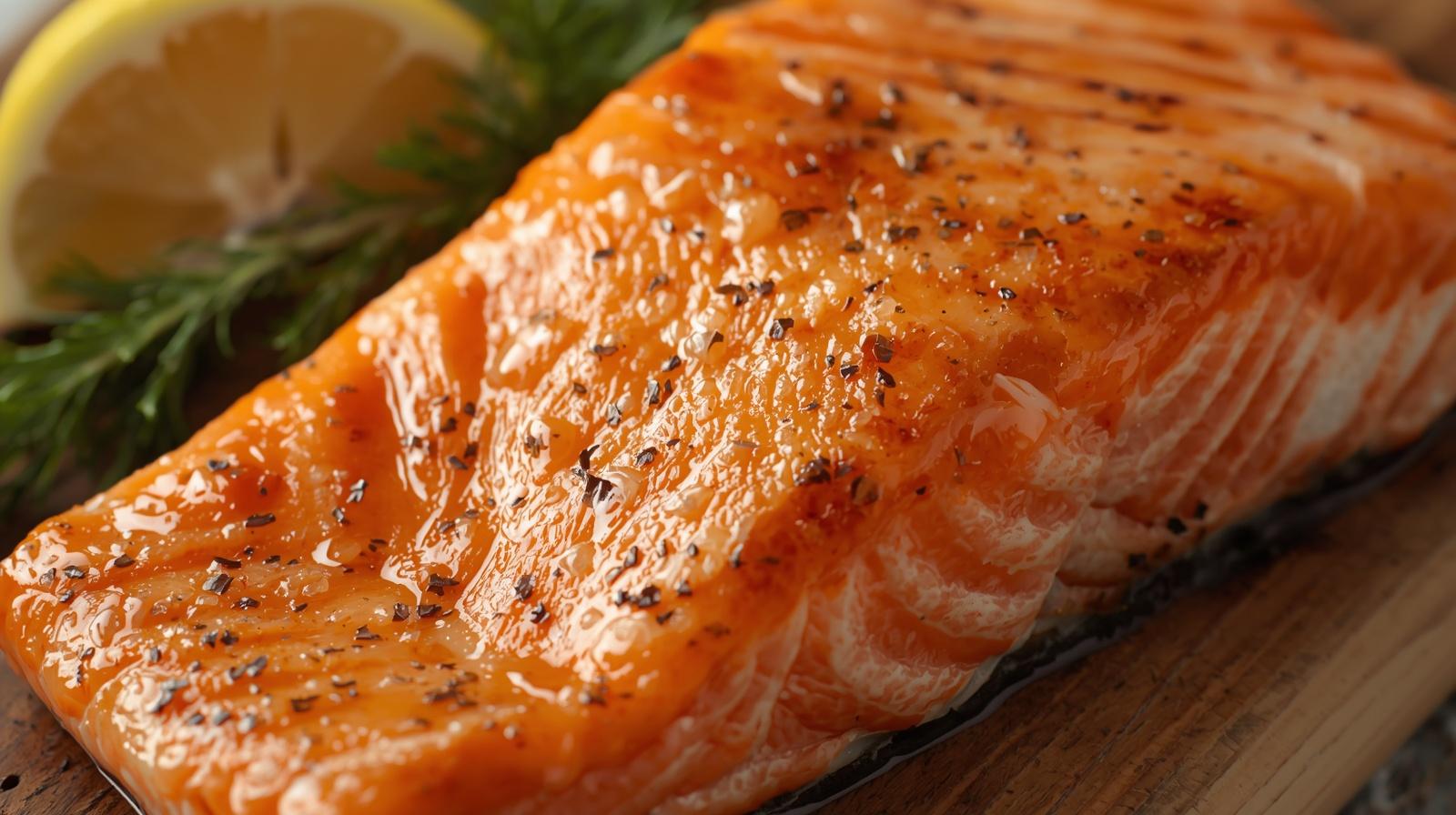
While salmon is available year-round, spring is a great time to incorporate lighter, fresher meals and salmon fits perfectly into that seasonal shift.
Why it’s good for your brain:
Salmon is one of the best sources of omega-3 fatty acids, particularly DHA (docosahexaenoic acid), which is a major structural component of the brain. In fact, a large portion of your brain is made up of fat, and DHA plays a critical role in maintaining its integrity.
Omega-3s help:
- Improve memory and learning
- Enhance mood and reduce symptoms of anxiety and depression
- Support communication between brain cells
They also have strong anti-inflammatory properties, which help protect the brain from damage over time.
Low levels of omega-3s have been linked to cognitive decline, poor focus, and mood disorders, making foods like salmon especially important for maintaining mental sharpness.
Bonus benefits:
- Supports heart health, which is closely connected to brain health
- May improve sleep quality (important for memory consolidation)
- Provides high-quality protein for sustained energy
How to enjoy it:
Grill or bake salmon with herbs, lemon, and a drizzle of olive oil. Pair it with spring vegetables like asparagus or spinach for a complete brain-boosting meal.
Bringing It All Together
One of the best things about these four foods is how easily they can be combined into simple, delicious meals. Imagine a plate with grilled salmon, roasted asparagus, and a fresh spinach salad topped with strawberries; that’s not just a beautiful spring dish, it’s a powerful combination of nutrients that support nearly every aspect of brain health.
Why
seasonal
eating
matters:
Eating foods in season isn’t just about flavor, it often means better nutrition. Spring produce is typically fresher, richer in vitamins, and more aligned with what your body needs during this time of year. After a long winter, your brain and body benefit from lighter, nutrient-dense foods that support energy, clarity, and renewal.
Final Thoughts
Your brain is one of the most energy-demanding organs in your body, and what you feed it matters. Spring provides a perfect opportunity to nourish your mind with foods that are not only fresh and flavorful but also scientifically proven to support cognitive function. By incorporating asparagus, strawberries, spinach, and salmon into your meals, you’re giving your brain the tools it needs to stay sharp, focused, and resilient. Both now and in the long run.
You don’t need a complicated diet or expensive supplements to support brain health. Sometimes, it’s as simple as choosing the right foods at the right time of year. So next time you’re at the market, take advantage of what spring has to offer, your brain will thank you.
