


Blue Spaces and the Brain: What Science Is Discovering
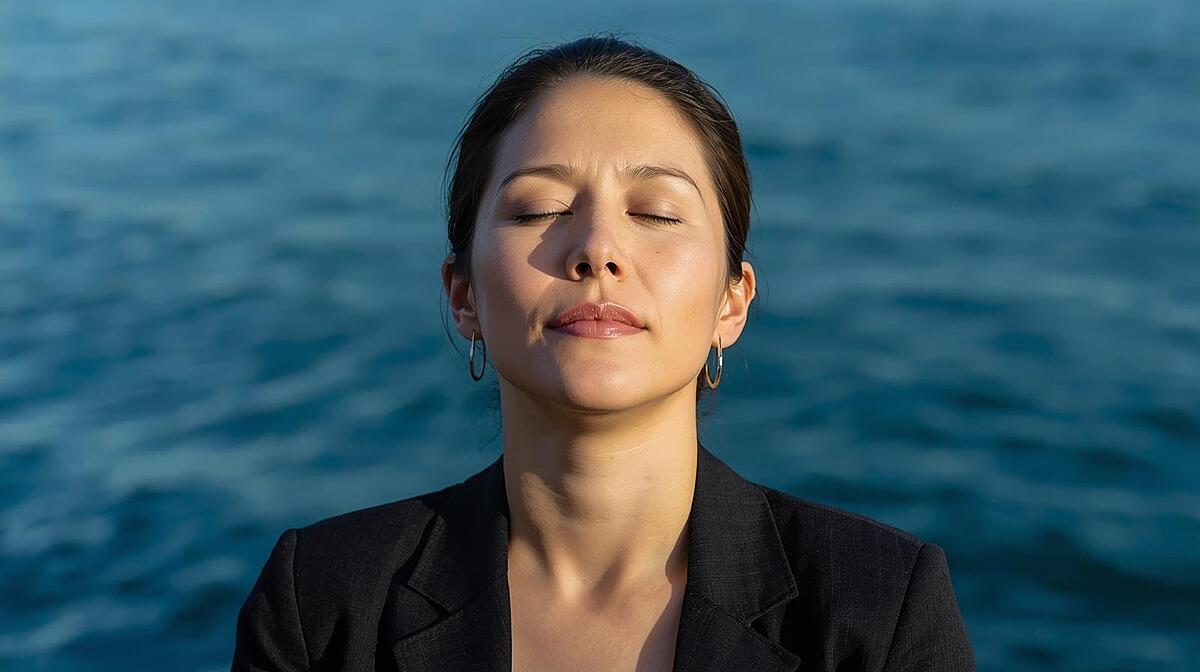
Spring has a way of reminding us to slow down and reconnect with the world around us. The days grow longer. Trees begin to bloom. Rain falls and nourishes the earth. Lakes, rivers, and oceans seem to call people outside again after months spent indoors. There is something deeply calming about this season, especially when water is involved. And it turns out that feeling may not be “just in your head.”
As we recognize Mental Health Awareness Month, more conversations are happening around the everyday habits and environments that support emotional wellbeing. While mental health discussions often focus on therapy, stress management, exercise, or nutrition, there’s another wellness tool many people overlook: Our connection to water.
Researchers are increasingly studying the impact that “blue spaces” (oceans, lakes, rivers, streams, waterfalls, fountains, and other water environments) can have on the brain and body. What they are discovering is both fascinating and encouraging.
Being around water may actually help us feel calmer, think more clearly, and recover from stress more effectively.
Why Are We So Drawn to Water?
 Think
about
some
of
your
favorite
memories.
For
many
people,
meaningful
moments
are
connected
to
water
in
some
way.
Childhood
afternoons
at
the
lake.
Camping
beside
a
river.
Sitting
quietly
beside
the
ocean.
Watching
rain
fall
against
the
windows.
Listening
to
a
creek
trickle
over
rocks.
Think
about
some
of
your
favorite
memories.
For
many
people,
meaningful
moments
are
connected
to
water
in
some
way.
Childhood
afternoons
at
the
lake.
Camping
beside
a
river.
Sitting
quietly
beside
the
ocean.
Watching
rain
fall
against
the
windows.
Listening
to
a
creek
trickle
over
rocks.
Water has a way of slowing us down. Many people describe feeling more peaceful near the ocean or calmer while sitting beside a stream. Others notice they sleep better near the sound of waves or feel mentally refreshed after spending time near lakes or rivers.
There’s a reason for that. Scientists studying environmental psychology and neuroscience have found that water appears to positively influence the nervous system, emotional regulation, and stress response.
In fact, marine biologist Wallace J. Nichols coined the term “Blue Mind” to describe the mildly meditative state many people experience near water. What began as observation has since gained growing scientific support.
What Happens to the Brain Around Water?
One of the most important discoveries researchers have made is that being around water may help activate the parasympathetic nervous system. This is the part of the nervous system responsible for rest, relaxation, and recovery.
When we are stressed, overwhelmed, or anxious, the body shifts into sympathetic activation, better known as “fight-or-flight” mode. In this state, cortisol levels rise, heart rate increases, muscles tense, and the brain becomes more focused on survival than calm thinking. While this response is helpful in emergencies, many people today live in a near-constant state of stress activation.
That chronic overstimulation can contribute to:
- Anxiety
- Mental fatigue
- Difficulty concentrating
- Sleep problems
- Emotional overwhelm
- Irritability
- Burnout
Blue spaces appear to help interrupt that cycle. Studies suggest that time spent near water may lower cortisol levels, reduce heart rate, lower blood pressure, and create a greater sense of calm and relaxation. Some researchers also believe that moving water (such as waves, waterfalls, or rushing streams) creates negative ions in the air. While scientists are still studying how this works, some findings suggest negative ions may positively influence mood, serotonin levels, alertness, and overall wellbeing.
The Brain Loves Rhythm
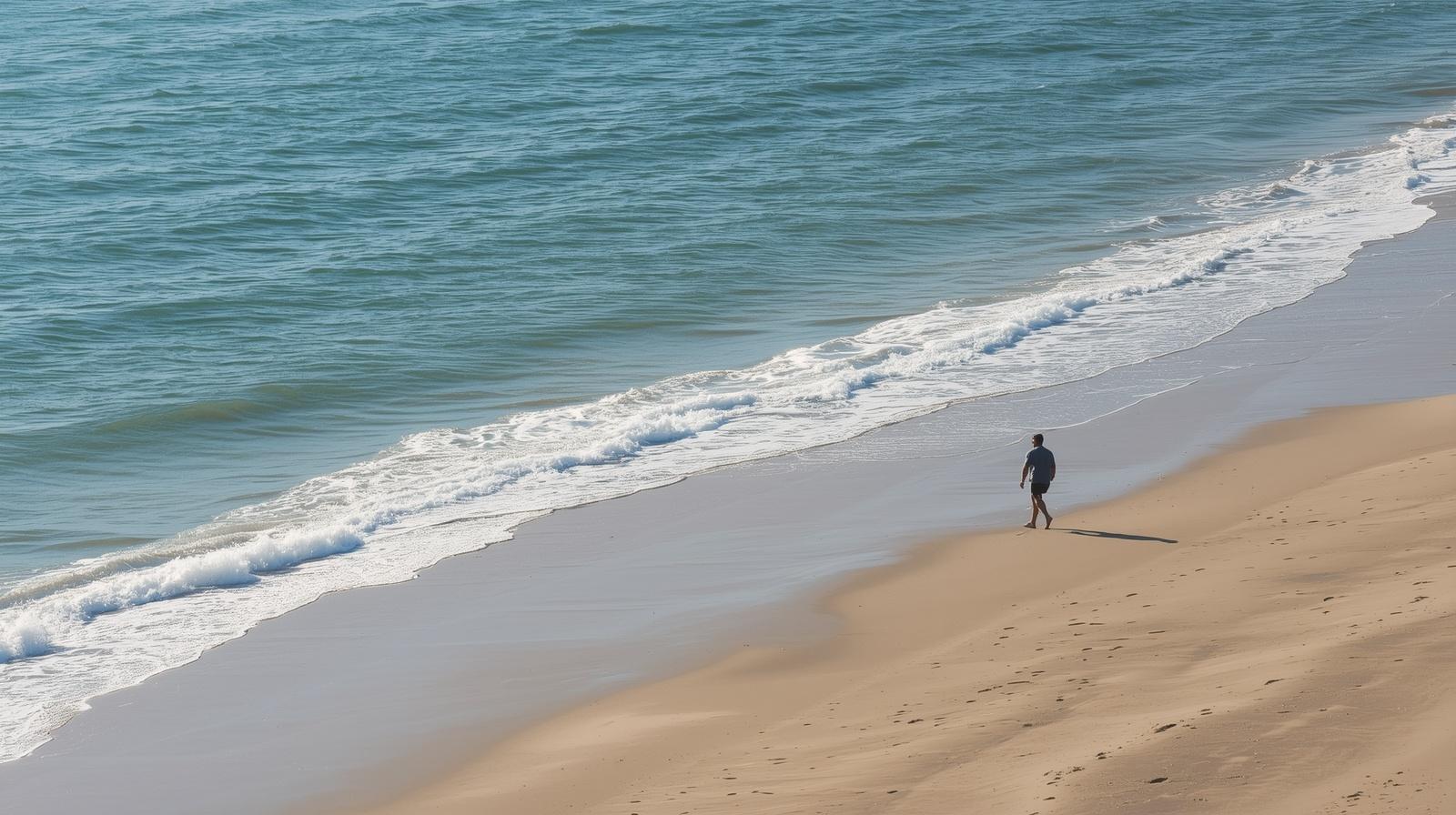 Part
of
water’s
calming
effect
may
also
come
from
rhythm.
The
brain
naturally
responds
to
repetitive
sensory
patterns.
The
sound
of
waves
crashing,
rain
falling,
or
water
flowing
creates
predictable
rhythms
that
can
help
regulate
the
nervous
system.
Part
of
water’s
calming
effect
may
also
come
from
rhythm.
The
brain
naturally
responds
to
repetitive
sensory
patterns.
The
sound
of
waves
crashing,
rain
falling,
or
water
flowing
creates
predictable
rhythms
that
can
help
regulate
the
nervous
system.
Think about how often people use water sounds to sleep, meditate, or relax. That rhythmic sensory input may help quiet mental noise and reduce overstimulation in a world filled with constant notifications, screens, and distractions.
Researchers have also found that natural environments gently hold our attention instead of demanding it. Unlike social media feeds, emails, and busy schedules, water allows the brain to rest while still remaining engaged. That type of mental recovery is incredibly important.
Blue Spaces and Mental Health
One particularly interesting study published in the Journal of Environmental Psychology examined over 15,000 participants across 18 countries. Researchers found that adults who regularly spent time around water during childhood often reported better mental health and wellbeing later in life. Participants who grew up around lakes, rivers, beaches, or streams were more likely to continue seeking out nature as adults and reported lower levels of psychological distress.
The findings suggest something many people intuitively already know: Nature helps us feel better. And blue spaces may play a unique role in emotional restoration.
Importantly, this doesn’t only apply to people struggling with significant mental health challenges. Everyday stress affects everyone. Work demands, caregiving responsibilities, financial pressure, uncertainty, and constant stimulation all place strain on the nervous system. Small moments of recovery matter.
It Doesn’t Have to Be the Ocean
When people think about blue spaces, they often picture dramatic ocean views or tropical vacations. But the benefits of water are not limited to the coast.
Freshwater environments such as lakes, rivers, ponds, streams, and waterfalls may offer many of the same calming effects. Even smaller experiences with water can help create moments of restoration. That means you do not need to live near the ocean to benefit.
 You
might:
You
might:
- Walk beside a river or creek
- Visit a nearby lake or pond
- Sit near a fountain in a park
- Spend time gardening near water features
- Swim regularly
- Listen to water sounds during meditation or relaxation
- Spend quiet time outdoors after rainfall
Even indoor water features or aquariums may provide calming sensory input. Many people find that watching fish swim or listening to bubbling water creates a relaxing environment that helps ease mental tension.
Bringing Blue Spaces Into Everyday Life
One of the best things about blue spaces is that they do not require perfection or complicated planning. Mental wellness is often strengthened through small, consistent habits rather than dramatic life changes. Here are a few simple ways to incorporate more blue space into your routine:
Take Water Walks: Look for nearby parks, trails, or neighborhoods with lakes, rivers, fountains, or streams. Even a short walk near water can feel restorative.
Create Screen-Free Moments: Instead of scrolling during breaks, spend a few minutes sitting outdoors near nature whenever possible.

Use Water Sounds Intentionally: Ocean waves, rainfall, and flowing water recordings can help support relaxation, focus, or sleep.
Bring Nature Indoors: Indoor fountains, aquariums, or calming nature spaces can help create moments of peace inside your home or workspace.
Prioritize Restorative Experiences: Sometimes the most productive thing you can do is allow your brain and body to recover.
Nature Is Not a Replacement for Care
It’s important to remember that while blue spaces may support mental wellness, they are not a substitute for professional mental health care. If you are currently working with a healthcare provider or mental health professional, continue following their guidance and treatment plans. Think of time in nature as one additional supportive tool that may complement other healthy practices. Mental wellness often works best through a combination of support systems, habits, environments, and professional care when needed.
The Bigger Reminder
Perhaps one of the most important lessons from blue space research is this: Humans were never designed to function under nonstop stimulation without recovery. We need moments of quiet. We need natural rhythms. We need spaces that help the nervous system slow down and reset. Water seems to offer exactly that.
So during Mental Health Awareness Month, consider giving yourself permission to pause for a moment. Take a walk beside a lake. Sit near a fountain. Listen to rainfall. Spend time near the ocean if you can. Open the windows and breathe deeply after a storm. The world often encourages us to move faster. Water reminds us to slow down. And sometimes that simple shift is exactly what the brain needs most.
