


How the Brain Learns Safety: 10 Signs of a Regulated Nervous System
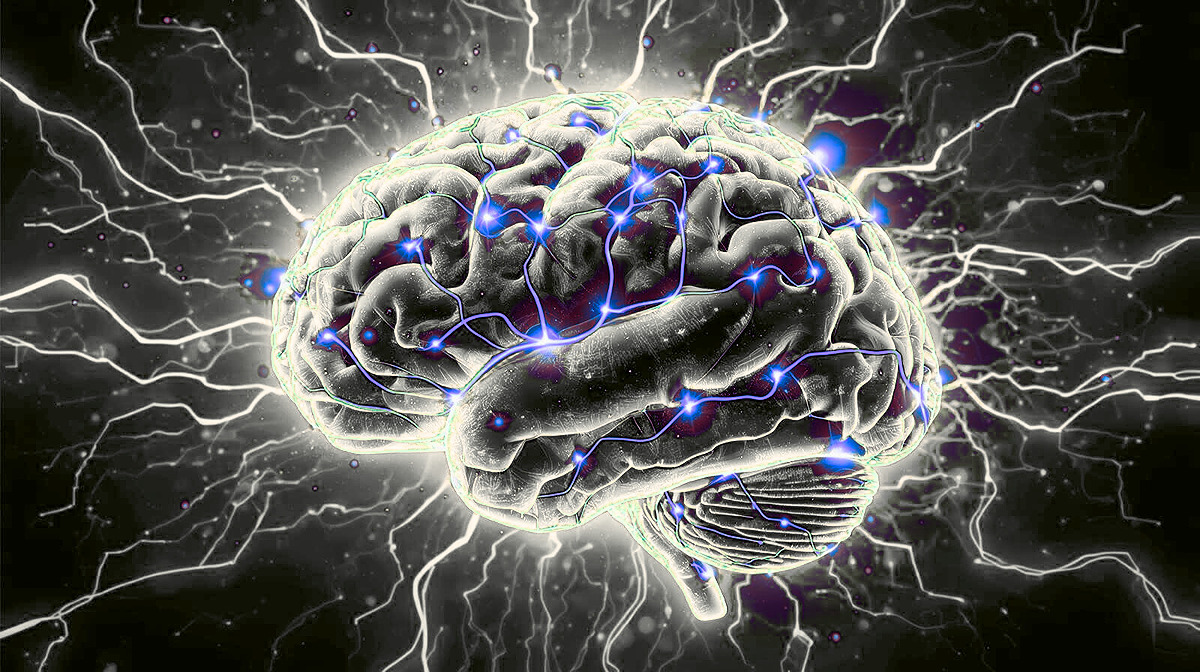
 Learning
to
regulate
your
nervous
system
does
not
mean
living
a
stress-free
life.
From
a
neuroscience
perspective,
stress
is
not
the
problem
but
staying
stuck
in
it
is.
A
healthy
nervous
system
is
not
one
that
avoids
challenge,
pressure,
or
emotion.
It’s
one
that
can
move
out
of
threat
and
return
to
safety
with
greater
ease.
Learning
to
regulate
your
nervous
system
does
not
mean
living
a
stress-free
life.
From
a
neuroscience
perspective,
stress
is
not
the
problem
but
staying
stuck
in
it
is.
A
healthy
nervous
system
is
not
one
that
avoids
challenge,
pressure,
or
emotion.
It’s
one
that
can
move
out
of
threat
and
return
to
safety
with
greater
ease.
This capacity is called nervous system resilience. It’s rooted in the brain’s ability to shift between states, that is mobilizing when needed, then settling back into regulation. As your brain learns that stress is survivable and temporary, your body stops treating every demand like an emergency.
Regulation isn’t something you think your way into. It’s something your nervous system learns through repeated experiences of safety, recovery, and grounding. And the signs of progress are often subtle, embodied, and easy to overlook.
Here are 10 neuroscience-backed signs you’re learning to regulate your nervous system even if life is still demanding.
1}
You
Notice
Tension
Sooner
- This is a sign of improved interoception, your brain’s ability to sense internal body signals. Instead of realizing you’re stressed when you’re already overwhelmed, your nervous system flags tension earlier. Early awareness gives you more choice and reduces the intensity of stress responses before they escalate.
2} You Recover Faster After Stress
- Stress resilience isn’t about never activating your stress response; it’s about how quickly your nervous system can downshift afterward. Faster recovery reflects improved communication between the prefrontal cortex and the autonomic nervous system, allowing your body to return to baseline more efficiently.
3} You Don’t Jump to Worst-Case Scenarios
- Chronic stress biases the brain toward threat detection, particularly in the amygdala. When regulation improves, the brain stops over-predicting danger. This doesn’t mean you ignore risks; it means your nervous system no longer assumes catastrophe as the default.
4} You Breathe Without Thinking About It
- Effortless, deeper breathing indicates a shift toward parasympathetic dominance, especially via the Vagus nerve. When your nervous system feels safer, breathing naturally slows and deepens without conscious control that is a powerful marker of regulation.
5}
You
Pause
Before
Reacting.jpg)
- That pause is neurological gold. It reflects stronger engagement of the prefrontal cortex, the brain region responsible for impulse control, perspective-taking, and emotional regulation. Instead of reacting from survival mode, you respond from choice.
6} You Feel Your Feet on the Ground More Often
- Grounded physical awareness signals that your nervous system is oriented to the present moment rather than scanning for threat. Sensory cues like pressure through the feet help stabilize the brain’s sense of safety and anchor attention in the body.
7} You Don’t Need Constant Distraction
- When the nervous system is dysregulated, stillness can feel intolerable. As regulation improves, your brain no longer needs constant stimulation to escape internal discomfort. This reflects increased tolerance for neutral states, an important marker of nervous system maturity.
8} You Let Emotions Move Through Instead of Getting Stuck
- Emotions are physiological events designed to rise, peak, and resolve. Regulation allows emotional energy to complete its cycle instead of becoming trapped in the body as chronic tension or reactivity. This is a sign of improved neural flexibility, not emotional suppression.
9}
You
Feel
Safer
Being
Still
- Stillness no longer triggers threat responses. From a neuroscience standpoint, this means your brain no longer associates quiet or rest with danger, vulnerability, or loss of control. Safety becomes an internal state rather than something dependent on constant action.
10} Your Body Feels Less Like an Emergency
- Perhaps the most profound shift of all. When your nervous system is regulated, daily life no longer feels urgent, catastrophic, or overwhelming at a baseline level. Your body understands, at a cellular level, that it is not constantly under threat.
Regulation Is Not a Destination: It’s a Skill
Nervous system regulation is not about perfection or permanent calm. It’s about the capacity to move through stress, emotion, and challenge without losing your sense of safety. Each of these signs reflects a brain that is learning it can handle life without staying stuck in survival mode. And that learning, over time, changes everything, from how you lead, to how you relate, to how you experience yourself in the world.
Your nervous system isn’t broken. It’s learning.
-Julie "Brain Lady" Anderson