


Leverage Seasonal Light for Better Well-Being, Energy, and Everyday Performance

As the days grow longer and sunlight lingers a little later into the evening, many people begin to notice a shift. Mornings feel less heavy. Energy comes more easily. Mood improves, sometimes without any clear reason. That shift isn’t just seasonal optimism, it’s biology.
Natural light plays a powerful role in how your brain and body function each day. From sleep and focus to mood and motivation, the amount of light you’re exposed to can quietly shape how you feel and perform. As daylight increases during the spring and summer months, it creates a built-in opportunity to reset, recharge, and operate with more clarity and ease.
The best part? You don’t need to overhaul your life to benefit. Small, intentional changes can help you tap into what longer days already provide.
Why Light Has Such a Strong Impact
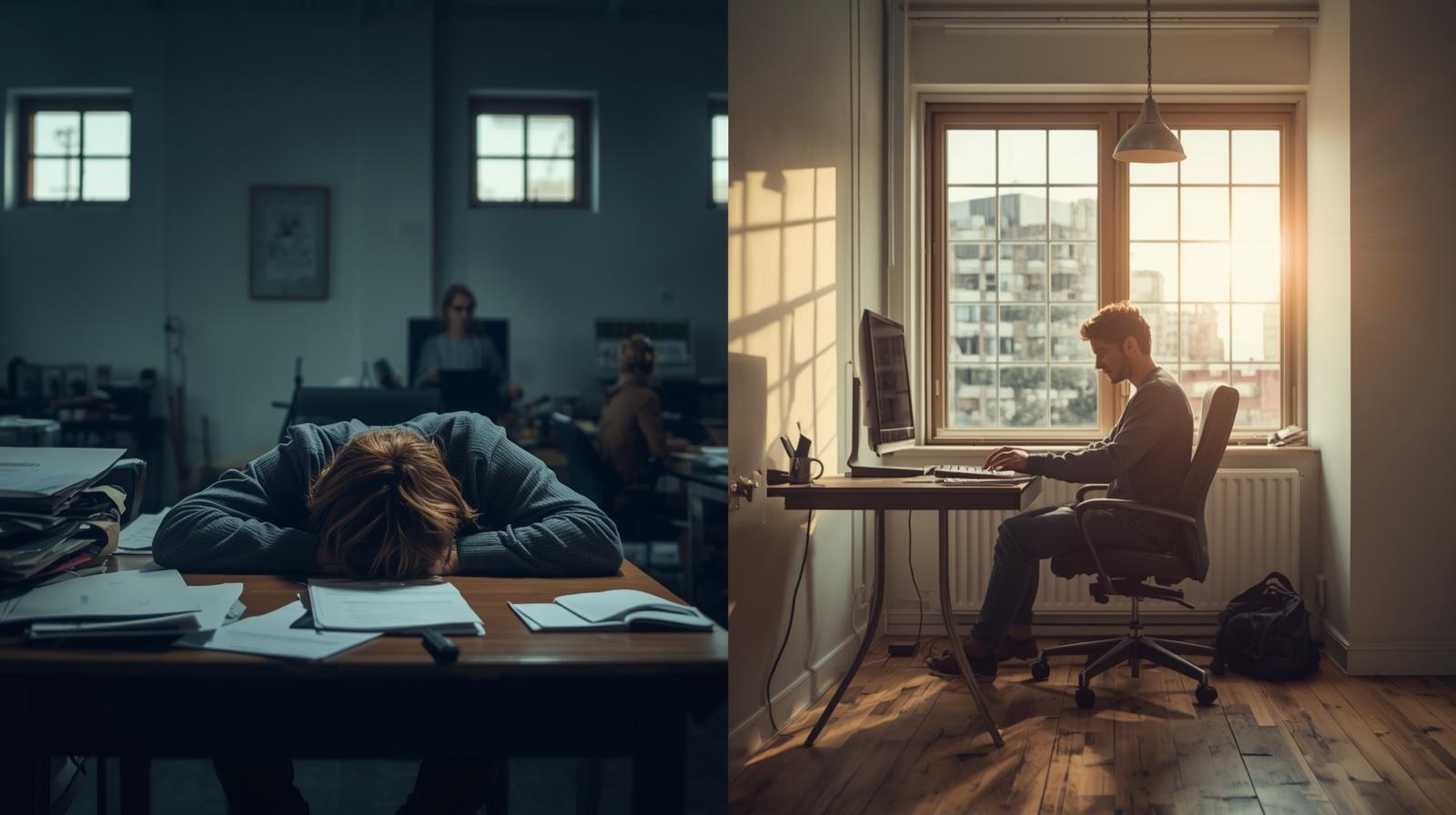 Light
is
one
of
the
most
important
signals
your
brain
receives.
It
directly
influences
your
circadian
rhythm;
your
internal
clock
that
regulates
sleep,
energy
levels,
and
daily
patterns
of
alertness.
Light
is
one
of
the
most
important
signals
your
brain
receives.
It
directly
influences
your
circadian
rhythm;
your
internal
clock
that
regulates
sleep,
energy
levels,
and
daily
patterns
of
alertness.
When natural light enters your eyes, it sends a message to your brain that helps coordinate when you feel awake and when you feel tired. This process affects hormones like melatonin, which supports sleep, and serotonin, which helps regulate mood.
During darker months, limited daylight can throw this system off balance. You might feel sluggish in the morning, experience dips in energy during the day, or notice a general lack of motivation.
As daylight increases, your brain begins to recalibrate. You wake up more easily. You feel more alert during the day. Your mood often improves without requiring extra effort. This isn’t just about feeling better, it’s about functioning better.
The Connection Between Light, Energy, and Focus
When your internal clock is aligned with natural light, your energy becomes more stable. Instead of sharp highs and crashes, you experience a more consistent level of alertness throughout the day. This stability makes it easier to focus, think clearly, and stay engaged with what you’re doing, whether that’s work, learning, or everyday responsibilities.
Natural light exposure has also been linked to improved cognitive performance. Many people find they can concentrate more easily, process information faster, and make decisions with greater clarity when they’re regularly exposed to daylight.
It also plays a role in stress regulation. Balanced light exposure helps support healthier cortisol patterns, which can reduce feelings of overwhelm and mental fatigue. In simple terms, light helps your brain operate in a more steady, efficient way.
Why Longer Days Feel Like a Reset
There’s a reason spring often feels like a fresh start. After months of shorter days and reduced sunlight, your brain has been operating with fewer of the signals it needs to maintain optimal rhythms. As those signals return, your system begins to rebalance.
This can show up as increased motivation, improved mood, and a greater sense of momentum. Tasks that felt difficult during the winter may feel more manageable. It becomes easier to start (and finish) what you need to do. This seasonal shift is something you can either passively experience or actively use to your advantage.
The Power of Morning Light
 One
of
the
most
effective
ways
to
take
advantage
of
longer
days
is
by
getting
exposure
to
natural
light
early
in
the
day. Morning
light
acts
as
a
cue
that
sets
your
internal
clock.
It
tells
your
brain
that
it’s
time
to
be
awake
and
alert,
helping
to
reduce
grogginess
and
improve
focus.
It
also
helps
regulate
when
you’ll
feel
tired
later
that
evening,
supporting
better
sleep.
One
of
the
most
effective
ways
to
take
advantage
of
longer
days
is
by
getting
exposure
to
natural
light
early
in
the
day. Morning
light
acts
as
a
cue
that
sets
your
internal
clock.
It
tells
your
brain
that
it’s
time
to
be
awake
and
alert,
helping
to
reduce
grogginess
and
improve
focus.
It
also
helps
regulate
when
you’ll
feel
tired
later
that
evening,
supporting
better
sleep.
Even a short amount of morning light can make a difference. About 10 to 20 minutes is often enough to signal this shift.
This doesn’t require a complicated routine. It can be as simple as:
- Opening your blinds as soon as you wake up
- Sitting near a window with your coffee or breakfast
- Stepping outside for a short walk
Consistency matters more than intensity. Making morning light a regular part of your day helps your brain maintain a steady rhythm.
Small Changes That Make a Big Difference
You don’t need to chase sunlight all day to benefit from it. A few small adjustments can significantly increase your exposure. Start by paying attention to your environment. Keep curtains open during the day and position yourself near natural light when possible. If you work indoors, even indirect sunlight can support alertness and mood.
Look for opportunities to step outside, even briefly. A quick walk, a few minutes of fresh air, or simply standing outside can help reinforce your body’s connection to natural light.
If your schedule allows, try aligning more demanding tasks with the brightest parts of the day. Many people find they have more energy and focus during late morning and early afternoon when daylight is strongest. These shifts may seem minor, but they help your brain stay in sync with its natural cues.
Light, Mood, and Mental Well-Being
The link between light and mood is well established. Increased exposure to natural light is associated with improved emotional balance, reduced fatigue, and a greater sense of well-being. Brighter environments tend to feel more open and energizing, while darker spaces can feel more draining. This subtle effect can influence your mindset, motivation, and overall outlook.
Longer days also encourage behaviors that support mental health, such as spending time outdoors, moving more, and connecting with others. These habits naturally reinforce the positive effects of light. By simply increasing your exposure to daylight, you’re supporting both your biology and your environment in ways that make it easier to feel and function at your best.
The Added Benefit of Movement and Fresh Air
 Light
becomes
even
more
powerful
when
combined
with
movement. Spending
time
outdoors
often
leads
to
more
physical
activity,
even
if
it’s
just
walking
or
standing
instead
of
sitting.
Movement
increases
blood
flow
to
the
brain,
supports
cognitive
function,
and
helps
regulate
stress.
Light
becomes
even
more
powerful
when
combined
with
movement. Spending
time
outdoors
often
leads
to
more
physical
activity,
even
if
it’s
just
walking
or
standing
instead
of
sitting.
Movement
increases
blood
flow
to
the
brain,
supports
cognitive
function,
and
helps
regulate
stress.
Together, light and movement create a strong foundation for mental clarity, energy, and resilience. You don’t need a structured workout to see benefits. Small moments, like walking around the block, stretching outside, or taking a break in the sun, can have a meaningful impact.
Avoiding Common Missed Opportunities
Even with longer days, it’s still possible to miss out on the benefits of natural light. One of the most common reasons is spending the majority of the day indoors under artificial lighting. While this is often unavoidable, being intentional about stepping outside or sitting near windows can help bridge the gap.
Another factor is inconsistency. Irregular sleep and wake times can disrupt your internal clock, making it harder for your body to fully benefit from increased daylight.
It’s also important to be mindful of evening light. While daylight helps you stay alert, too much bright artificial light at night (especially from screens) can interfere with your ability to wind down and sleep. Balancing bright days with dimmer evenings helps your system stay aligned.
A Simple Shift with Lasting Impact
In a world where many solutions for better health and productivity feel complicated or time-consuming, natural light stands out for its simplicity. It doesn’t require special equipment, major lifestyle changes, or extra effort. It’s already part of your environment, just waiting to be used more intentionally.
By paying attention to when and how you get light exposure, you can support better sleep, more stable energy, improved mood, and clearer thinking. As the days continue to grow longer, consider it an open invitation.
Open the blinds a little earlier. Step outside a little more often. Let your environment work with you instead of against you. Because sometimes, the most powerful changes come from the simplest sources and a little more light might be exactly what you need to feel and perform at your best.
