


Summer Nutrition for a Sharper Mind
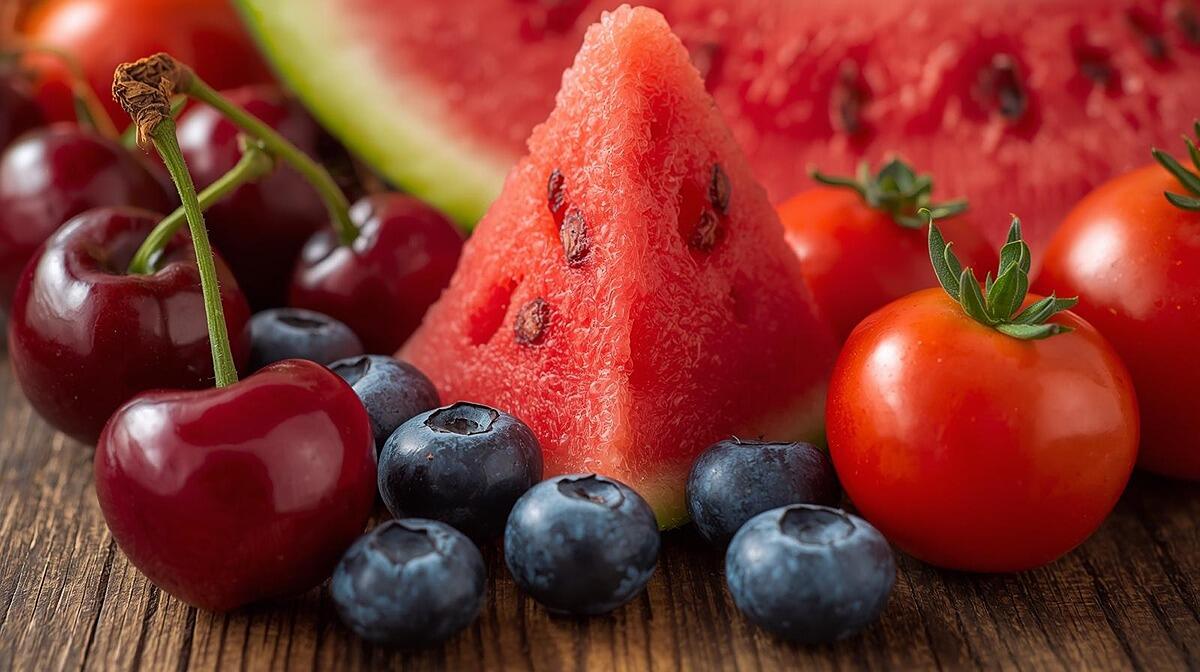
Summer brings an abundance of fresh, colorful foods that do more than satisfy our taste buds. Many seasonal fruits and vegetables contain nutrients that support brain function, memory, focus, and mood. While we often hear about the importance of eating for heart health or weight management, nutrition also plays a critical role in how our brains perform every day.
The brain consumes approximately 20% of the body's energy, despite accounting for only about 2% of body weight. To perform at its best, it requires a steady supply of nutrients that help protect brain cells, support communication between neurons, reduce inflammation, and maintain healthy blood flow.
The good news? Some of the best brain-supporting foods are at their peak during the summer months. Here are four seasonal foods to add to your plate this summer and the science behind why your brain will thank you.
1. Blueberries: Nature's Brain Berry
If
there
were
a
hall
of
fame
for
brain
foods,
blueberries
would
undoubtedly
earn
a
place
near
the
top. These
small
but
mighty
berries
are
packed
with
antioxidants
known
as
anthocyanins,
which
give
blueberries
their
vibrant
blue
color.
These
compounds
help
protect
brain
cells
from
oxidative
stress,
a
process
that
contributes
to
aging
and
cognitive
decline.
Research has shown that regular blueberry consumption may improve memory, enhance communication between brain cells, and support learning. Some studies even suggest that blueberries may help delay age-related cognitive decline.
Blueberries are also associated with increased blood flow to the brain. Improved circulation means more oxygen and nutrients reach the areas responsible for concentration, decision-making, and memory.
Easy Ways to Enjoy Blueberries:
- Add them to yogurt or oatmeal.
- Blend them into smoothies.
- Toss them into summer salads.
- Enjoy them as a simple afternoon snack.
For busy professionals, blueberries offer a convenient brain-friendly option that requires no preparation and travels easily between meetings or workspaces.
2. Tomatoes: A Summer Staple for Brain Protection
Nothing says summer quite like a fresh, ripe tomato. Tomatoes are rich in lycopene, a powerful antioxidant that has been linked to protecting brain cells from damage caused by free radicals. Lycopene may help reduce inflammation and support long-term cognitive health.
Chronic
inflammation
is
increasingly
recognized
as
a
contributing
factor
in
cognitive
decline
and
various
neurological
conditions.
By
incorporating
anti-inflammatory
foods
into
our
diets,
we
may
help
create
a
healthier
environment
for
optimal
brain
function.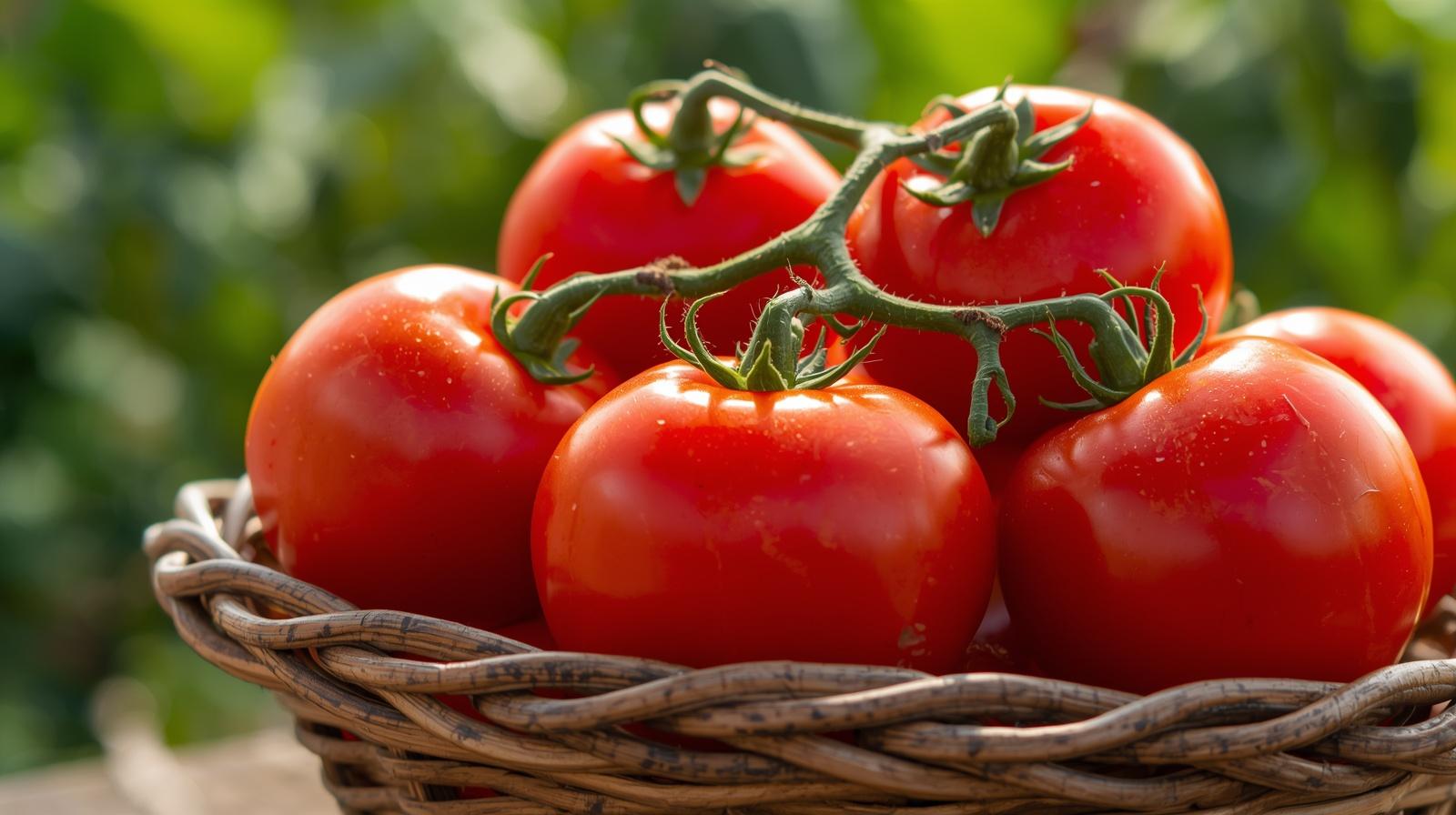
Tomatoes also provide vitamin C, which plays an important role in neurotransmitter production. Neurotransmitters are the chemical messengers that allow brain cells to communicate effectively.
Easy Ways to Enjoy Tomatoes:
- Slice them into salads.
- Pair them with fresh mozzarella and basil.
- Add them to wraps and sandwiches.
- Roast them for a flavorful side dish.
For leaders and professionals who rely on strategic thinking and decision-making, supporting brain health through anti-inflammatory foods can be an important component of overall wellness.
3. Cherries: A Sweet Support for Sleep and Brain Recovery
Summer cherry season is brief, making it the perfect time to take advantage of this brain-friendly fruit. Cherries contain antioxidants and polyphenols that help combat inflammation and oxidative stress. However, one of their most interesting benefits may be their relationship with sleep. Certain varieties of cherries, particularly tart cherries, contain naturally occurring melatonin, a hormone that helps regulate the body's sleep-wake cycle.
Why
does
this
matter
for
brain
health? Sleep
is
one
of
the
most
important
activities
for
cognitive
function.
During
sleep,
the
brain
consolidates
memories,
clears
waste
products,
repairs
neural
pathways,
and
prepares
for
the
demands
of
the
next
day.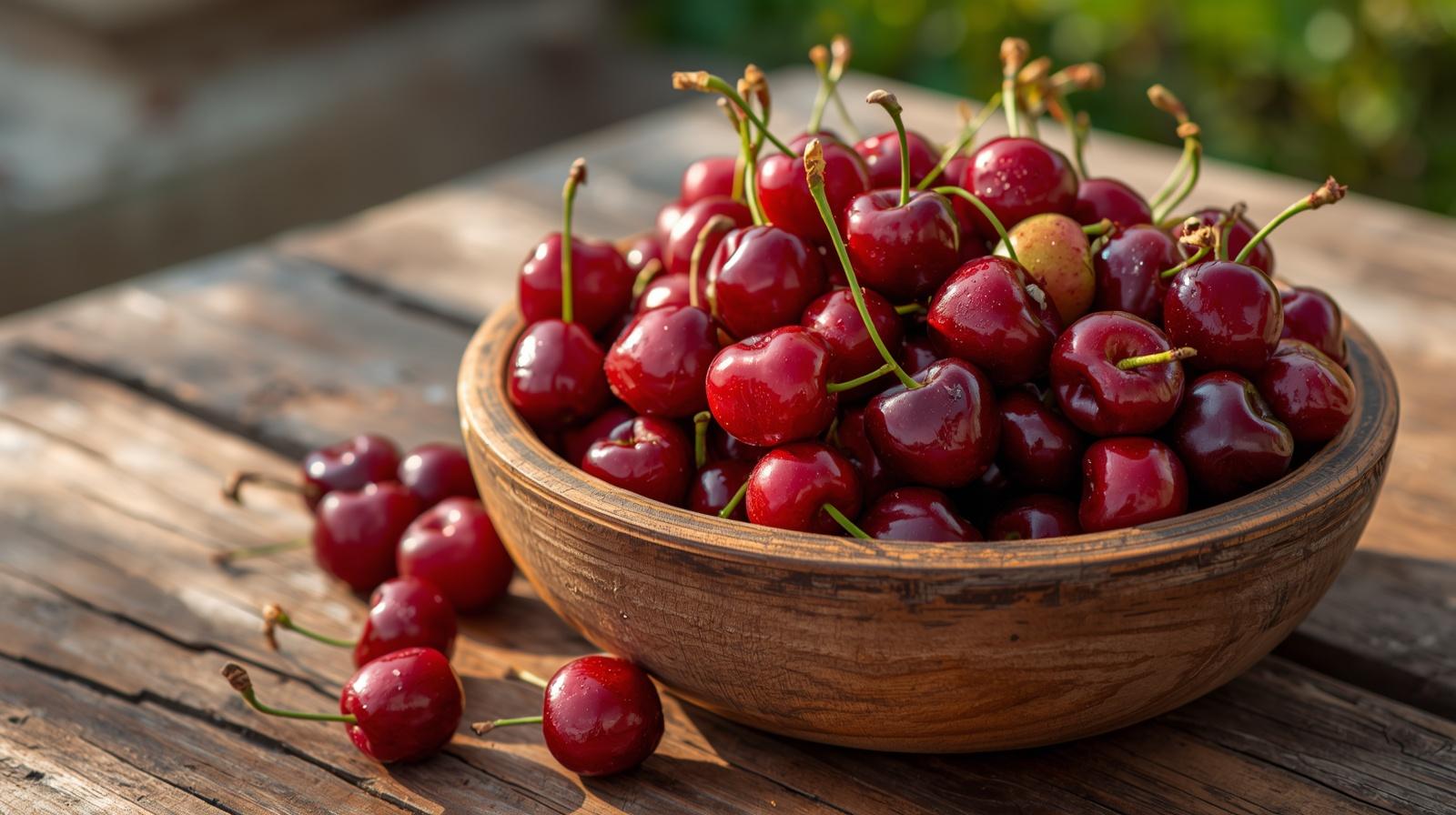
When sleep suffers, focus, decision-making, emotional regulation, and productivity often suffer as well.
Easy Ways to Enjoy Cherries:
- Eat them fresh as a snack.
- Add them to salads.
- Blend them into smoothies.
- Incorporate tart cherry juice into an evening wellness routine.
For workplace wellness programs, supporting healthy sleep habits is one of the most effective ways to improve employee performance, resilience, and overall well-being.
4. Watermelon: Hydration for a Healthy Brain
Watermelon is one of summer's most refreshing foods, and it provides benefits that go far beyond hydration. The brain is approximately 75% water. Even mild dehydration can affect concentration, memory, reaction time, and mood. Many people don't realize how quickly dehydration can impact cognitive performance, especially during hot summer months.
Watermelon
is
composed
of
more
than
90%
water,
making
it
an
excellent
food
for
maintaining
hydration.
It
also
contains
potassium,
vitamin
C,
and
lycopene,
which
further
support
brain
and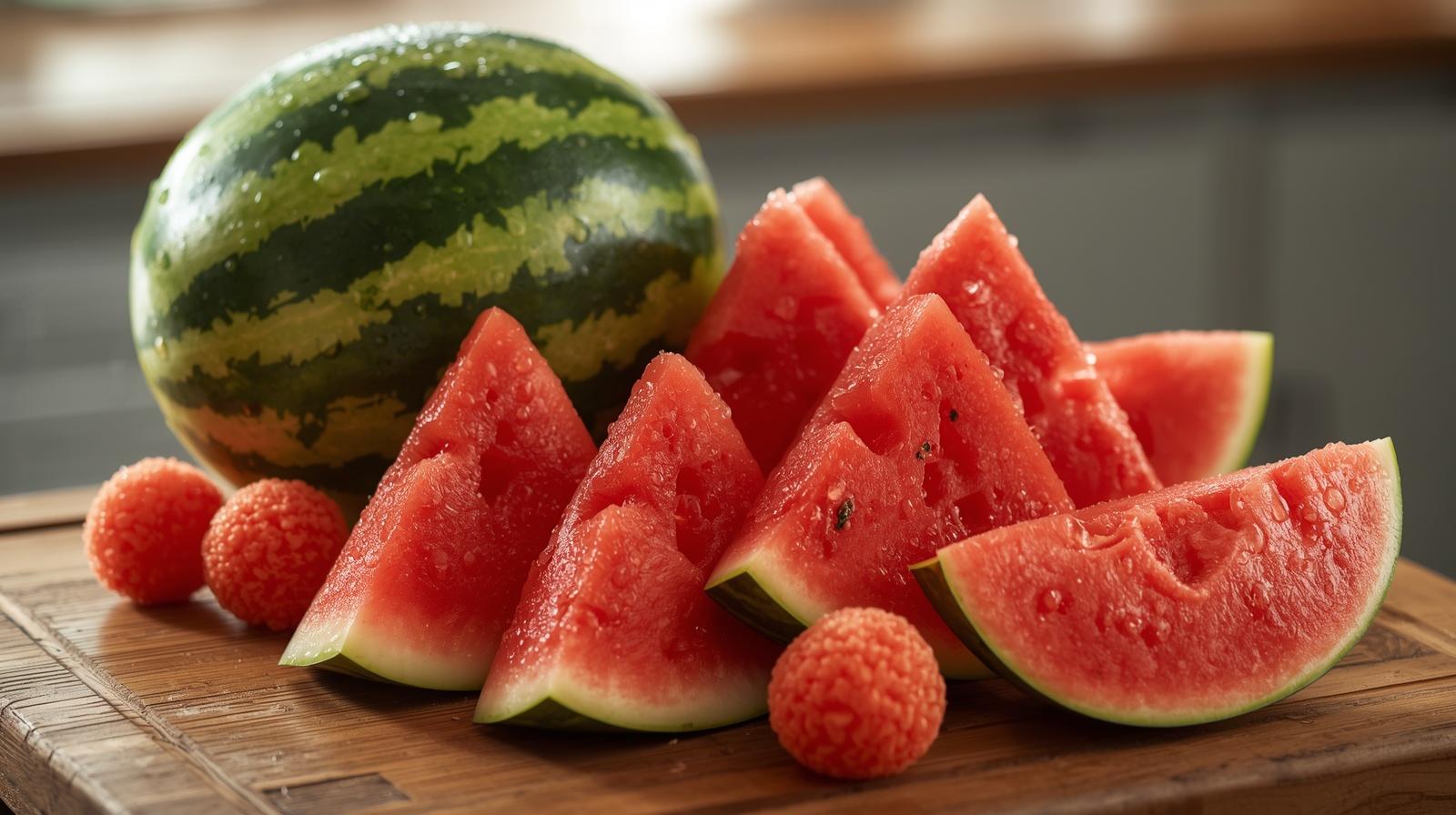 cardiovascular
health. Proper
hydration
helps
maintain
healthy
blood
flow,
allowing
oxygen
and
nutrients
to
efficiently
reach
the
brain.
It
can
also
help
reduce
mental
fatigue
and
support
clearer
thinking
throughout
the
day.
cardiovascular
health. Proper
hydration
helps
maintain
healthy
blood
flow,
allowing
oxygen
and
nutrients
to
efficiently
reach
the
brain.
It
can
also
help
reduce
mental
fatigue
and
support
clearer
thinking
throughout
the
day.
Easy Ways to Enjoy Watermelon:
- Eat chilled slices as a snack.
- Add cubes to salads with feta and mint.
- Blend into smoothies.
- Freeze chunks for a refreshing summer treat.
For organizations focused on employee wellness, encouraging hydration can be one of the simplest and most effective strategies for supporting cognitive performance during the warmer months.
Why Seasonal Eating Benefits the Brain
Seasonal foods are often harvested closer to peak ripeness, which may help preserve nutrient content and flavor. Eating seasonally also encourages dietary variety, ensuring that the brain receives a broader range of vitamins, minerals, antioxidants, and phytonutrients throughout the year.
Summer's abundance of fruits and vegetables provides an ideal opportunity to nourish both body and mind while enjoying fresh, flavorful foods. Small nutritional choices made consistently can have a meaningful impact on cognitive function, mood, energy levels, and long-term brain health.
Final Thoughts
Brain health isn't determined by a single meal or superfood. It's built through daily habits that support the brain's complex needs over time.
This summer, consider adding more blueberries, tomatoes, cherries, and watermelon to your routine. These seasonal favorites offer a delicious way to support memory, focus, mood, hydration, and overall cognitive wellness.
Whether you're leading a team, managing a busy household, or simply looking to feel more energized and focused, your next brain boost may be waiting at your local farmers market. After all, one of the simplest ways to care for your brain is to start with what's on your plate.
