


The Neuroscience of Why Animals Help Us Stress Less and Feel Better
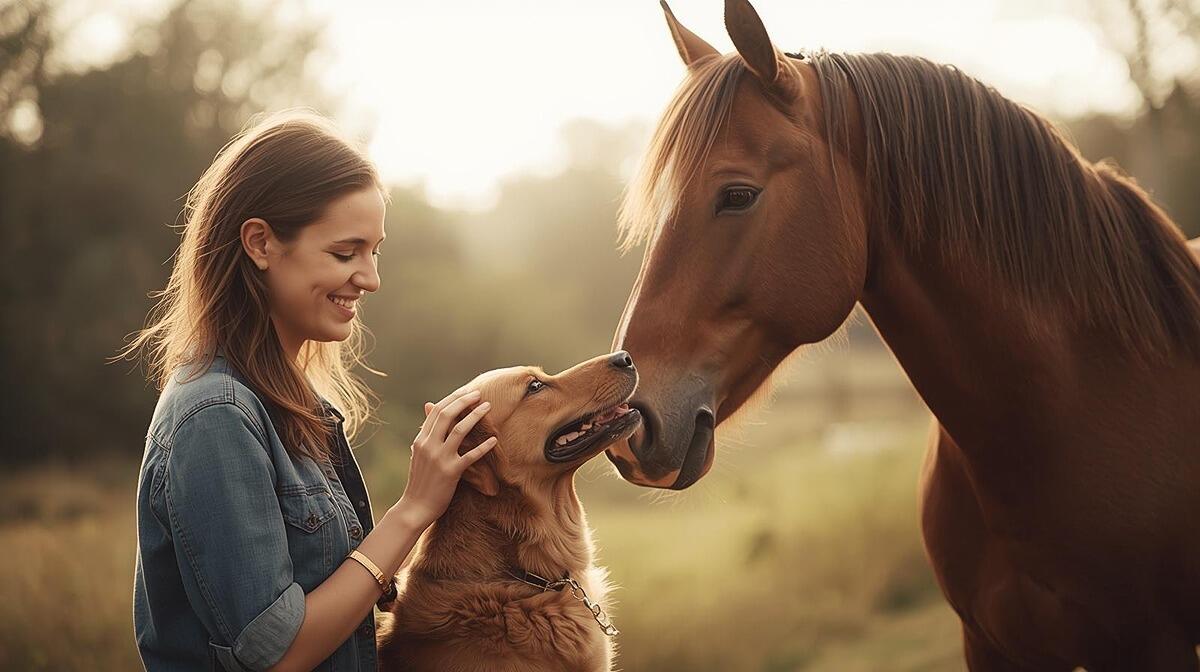
Most people don’t need a research study to tell them that animals make life better. A dog greeting you at the door after a long day. A cat curling up beside you without asking for anything. A horse standing quietly beside you in a way that somehow makes the world feel a little less heavy.
We feel the shift immediately. But what’s been gaining attention in recent years is something even more interesting: neuroscience is now explaining why this happens—and the findings have important implications for mental health, stress management, and everyday well-being.
Why Animals Matter More Than We Realize
.jpg) Modern
life
is
increasingly
defined
by
stress.
Many
people
move
through
their
day
in
a
constant
state
of
pressure;
deadlines,
notifications,
financial
strain,
caregiving
responsibilities,
and
emotional
overload. Over
time,
this
doesn’t
just
affect
mood.
It
affects
the
brain.
Modern
life
is
increasingly
defined
by
stress.
Many
people
move
through
their
day
in
a
constant
state
of
pressure;
deadlines,
notifications,
financial
strain,
caregiving
responsibilities,
and
emotional
overload. Over
time,
this
doesn’t
just
affect
mood.
It
affects
the
brain.
When stress becomes chronic, the brain shifts into survival mode. Thinking becomes more reactive, focus becomes harder, and emotional regulation weakens. This is part of why stress can feel so draining, it changes how the brain functions. This is where the research on animals becomes especially interesting.
Across multiple studies, scientists have found that interaction with animals can help shift the nervous system out of stress activation and into a calmer, more regulated state.
What the Research Is Showing
Large-scale reviews of animal-assisted therapy studies (published in journals such as Frontiers in Psychology) have examined hundreds of research papers across hospitals, schools, elder care facilities, and mental health programs.
The consistent findings include:
- Reduced anxiety
- Lower levels of stress
- Decreased symptoms of depression
- Improved emotional well-being
- Increased feelings of calm and connection
.jpg) What
stands
out
is
that
these
benefits
are
not
limited
to
formal
therapy
programs.
Even
simple
companionship
appears
to
have
measurable
effects.
What
stands
out
is
that
these
benefits
are
not
limited
to
formal
therapy
programs.
Even
simple
companionship
appears
to
have
measurable
effects.
Other studies have shown that:
- People with pets often report lower stress and anxiety levels
- Animal interaction can improve emotional resilience during highly stressful periods
- Even watching animal videos can reduce stress responses before difficult tasks
In other words, the brain responds not only to direct interaction, but sometimes even to the presence or observation of animals.
What’s Happening in the Brain
To understand why this works, we need to look at a few key systems in the brain.
1. The Stress System
When we experience stress, the brain activates a survival response. One of the key hormones involved is cortisol.
Cortisol is helpful in short bursts. It prepares the body to respond quickly to challenges.
But when cortisol stays elevated for too long, it can contribute to:
- Anxiety
- Fatigue
- Irritability
- Sleep disruption
- Difficulty concentrating
Chronic stress keeps this system “on,” which is part of why people feel mentally and physically exhausted.
2. The Calming System
Interaction with animals appears to help activate the parasympathetic nervous system—the body’s “rest and recovery” mode.
This is the state where:
- Heart rate slows
- Breathing deepens
- The body relaxes
- The mind becomes clearer
This shift is essential for recovery from stress.
3.
Oxytocin:
The
Connection
Chemical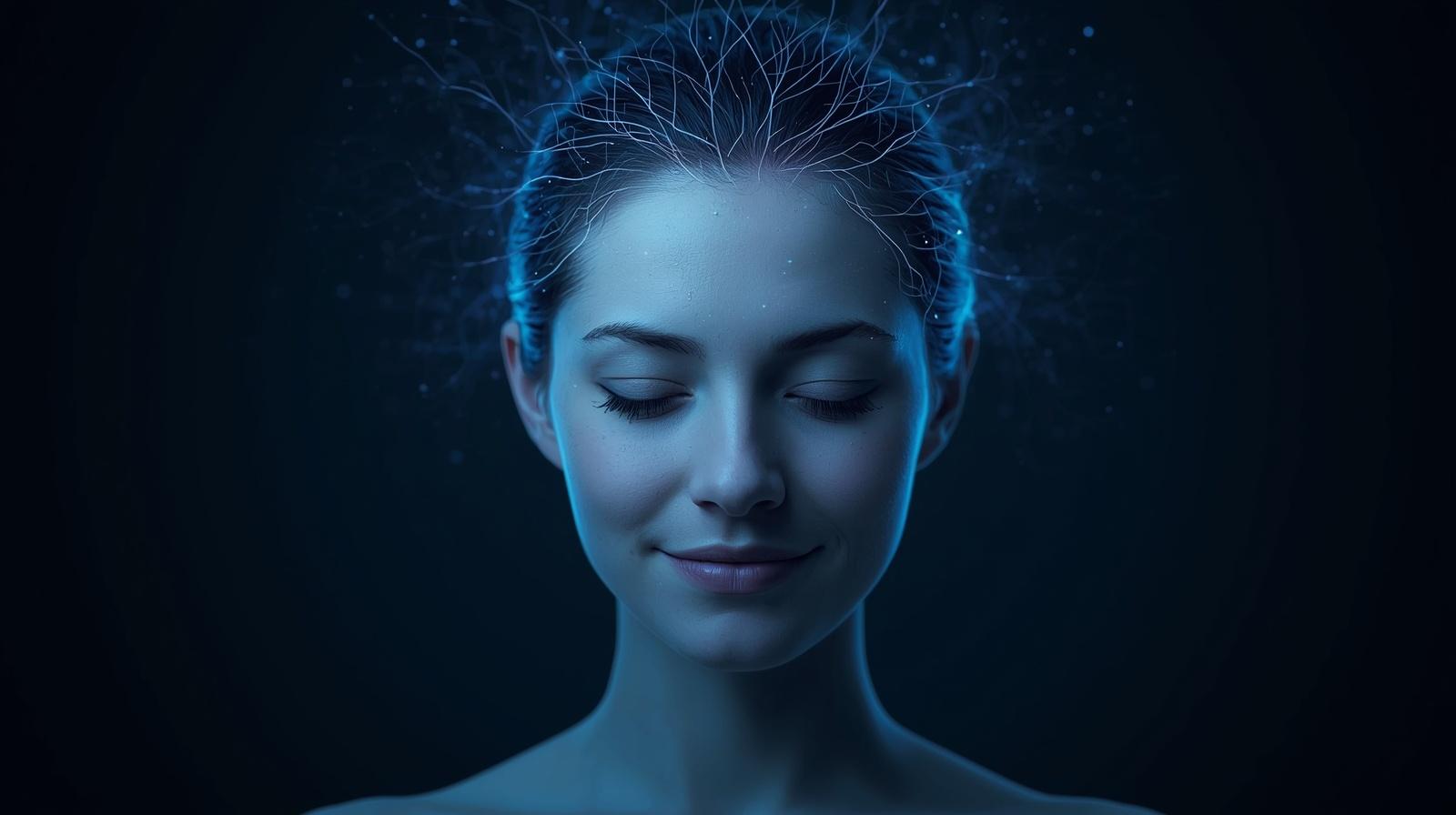
One of the most important findings in animal research involves oxytocin.
Oxytocin is often called the “bonding hormone” because it plays a major role in:
- Trust
- Connection
- Emotional bonding
- Feelings of safety
Studies show that interaction with animals can increase oxytocin levels in humans. This helps explain why being with a pet can feel calming, grounding, and emotionally comforting. At the same time, higher oxytocin levels are often associated with lower cortisol levels. That combination (more connection, less stress) creates a powerful shift in how the brain and body feel.
Why Dogs Feel So Emotionally Powerful
Dogs are especially effective at supporting emotional regulation. One reason is their sensitivity to human emotion. Dogs are highly attuned to tone of voice, body language, and emotional energy. Many researchers believe this is linked to mirror neuron systems in the brain, which are involved in empathy and emotional resonance.
This is why a dog often seems to “know” when something is off. They respond with presence, calm, and attention; without judgment or expectation. For many people, that alone is regulating.
The Unique Impact of Horses
.jpg) Horses
create
a
different
but
equally
powerful
experience. They
are
extremely
sensitive
to
human
emotional
states
and
body
language.
If
a
person
is
anxious,
tense,
or
distracted,
a
horse
often
responds
immediately
to
that
shift. Because
of
this,
horses
are
increasingly
used
in
therapeutic
and
leadership
development
settings.
They
provide
immediate
feedback
that
is
not
filtered
through
language
or
social
expectations.
Horses
create
a
different
but
equally
powerful
experience. They
are
extremely
sensitive
to
human
emotional
states
and
body
language.
If
a
person
is
anxious,
tense,
or
distracted,
a
horse
often
responds
immediately
to
that
shift. Because
of
this,
horses
are
increasingly
used
in
therapeutic
and
leadership
development
settings.
They
provide
immediate
feedback
that
is
not
filtered
through
language
or
social
expectations.
Many people describe the experience as deeply grounding. Activities like grooming, walking, or simply being present with a horse can help regulate the nervous system in ways that feel both physical and emotional.
Even Small Moments Matter
One of the most surprising findings in this area of research is that the benefits don’t always require long or structured interaction.
Even brief exposure can help:
- Watching animal videos
- Seeing images of animals
- Spending a few minutes with a pet
- Observing animals in nature
These small moments can interrupt stress cycles and help the brain shift into a calmer state. That makes animal interaction one of the most accessible forms of stress support available.
Why This Matters in Everyday Life
Stress is not just an emotional experience: it is a physiological one. It affects how we think, how we communicate, how we sleep, and how we relate to others. When stress becomes chronic, it quietly impacts nearly every part of life. That’s why the idea of simple, natural stress regulation tools is so important.
Animals are not a replacement for medical care or therapy. But they can be a meaningful part of a broader approach to mental and emotional well-being.
 They
help
create
moments
of:
They
help
create
moments
of:
- Calm
- Presence
- Connection
- Regulation
And in a fast-paced world, those moments matter more than we often realize.
A Simple Reminder
We often think of wellness as something complicated; something that requires systems, strategies, or major lifestyle changes. But sometimes, the nervous system responds best to something much simpler.
A quiet moment. A steady presence. A wagging tail. A soft breath beside you.
The science is increasingly clear: animals don’t just make us feel better emotionally, they help regulate the brain and body in measurable ways. And in a world that rarely slows down, that kind of regulation may be one of the most important forms of support we have.