


The Power of Micro-Gratitude: How Small Moments Can Help Your Brain Manage Stress
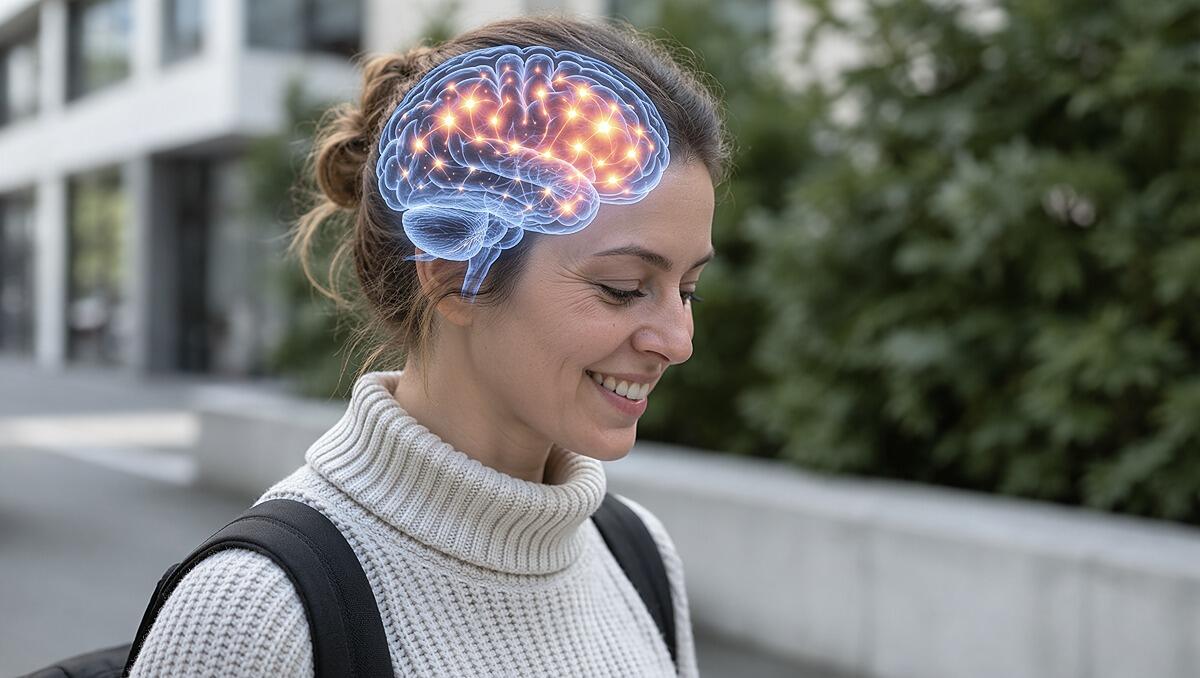
What if something as simple as appreciating your morning coffee, enjoying a few minutes of sunshine, or recognizing a kind gesture could help you better manage stress?
It may seem like a small thing, but intentionally noticing and appreciating the positive moments in everyday life can have a meaningful influence on how we think, feel, and respond to challenges.
This practice is known as micro-gratitude, and it involves recognizing the little things we often overlook in the busyness of daily life.
Unlike traditional gratitude practices that may involve journaling or setting aside time to reflect on the bigger blessings in life, micro-gratitude focuses on brief moments of appreciation throughout the day.
It might be enjoying a beautiful morning, appreciating a conversation with a friend, feeling grateful for a comfortable home, or recognizing something you accomplished.
These moments may last only a few seconds, but practicing gratitude regularly can help encourage a more balanced perspective, support emotional well-being, and strengthen our ability to navigate stressful experiences.
And neuroscience offers some interesting insights into why this simple practice matters.
Understanding the Brain's Negativity Bias
Have you ever noticed how one frustrating experience can overshadow an otherwise good day?
Perhaps you receive several encouraging messages but find yourself dwelling on one critical comment. Or maybe you accomplish most of what you planned but spend the evening thinking about the one thing you didn't finish.
This is an example of the brain's negativity bias.
Our brains are naturally wired to pay more attention to negative experiences than positive ones. From an evolutionary perspective, this tendency helped our ancestors recognize potential threats and respond to danger.
Remembering a dangerous experience or noticing something that could cause harm was important for survival.
Today, however, this same neurological tendency can cause us to focus disproportionately on problems, mistakes, disappointments, and stressful situations.
When our attention repeatedly gravitates toward what is going wrong, it can contribute to increased stress and make it more difficult to recognize the positive experiences happening around us.
This doesn't mean we should ignore problems or pretend everything is fine. Rather, it means learning to balance our attention so that negative experiences don't become the only experiences we notice.
Micro-gratitude offers a simple way to begin doing this.
By intentionally recognizing small positive moments, we give our brains opportunities to process and appreciate experiences that might otherwise go unnoticed.
The Neuroscience Behind Gratitude
Gratitude is more than simply feeling happy or thinking positively. Research suggests that practicing gratitude engages brain regions and neural networks involved in emotional processing, motivation, reward, and social connection.
Understanding these connections helps explain why regularly recognizing positive experiences may support our mental and emotional well-being.
1. The Prefrontal Cortex: Supporting Perspective and Emotional Regulation
The prefrontal cortex is involved in many of the brain's higher-level functions, including decision-making, planning, problem-solving, and emotional regulation. When we experience stress, our ability to think clearly and respond thoughtfully can become compromised. We may become more reactive, have difficulty concentrating, or find ourselves focusing on the immediate problem rather than considering the bigger picture.
Taking a moment to recognize something positive can create a brief mental pause. This may help us step back from an automatic emotional response and approach a situation with greater perspective. Gratitude practices may support more balanced thinking by encouraging us to notice positive experiences alongside difficult ones.
2. The Amygdala: Processing Emotional Responses
The amygdala plays an important role in recognizing potential threats and processing emotionally significant experiences. When the brain perceives a threat or stressful situation, it helps activate the body's stress-response system. This can trigger the release of hormones such as cortisol and adrenaline, preparing us to respond. While this response is essential when we need to react quickly, ongoing stress can make it harder to regulate emotions and manage everyday frustrations.
Gratitude has been associated with activity in brain networks involved in emotional processing and regulation. Although researchers are still exploring the precise relationship between brief gratitude practices and the brain's stress pathways, intentionally recognizing positive experiences may help support emotional well-being.
3. The Brain's Reward System: Reinforcing Positive Experiences
Our brains have reward pathways that help us recognize and reinforce experiences associated with motivation, satisfaction, and reward. Dopamine plays an important role in these pathways, helping influence motivation, learning, and reinforcement.
When we recognize an accomplishment, experience a meaningful connection, or appreciate something positive, the brain's reward systems may become engaged. This helps explain why acknowledging small successes and positive experiences can feel rewarding. Over time, regularly practicing gratitude may help reinforce the habit of noticing and appreciating positive moments rather than automatically overlooking them.
How Micro-Gratitude Can Help Us Manage Stress
Stress is a normal part of life. Work responsibilities, family demands, financial pressures, unexpected changes, and everyday challenges can all place demands on our minds and bodies. When stress becomes ongoing, it can affect concentration, memory, sleep, decision-making, and emotional regulation. While gratitude isn't a cure for stress or a replacement for addressing its underlying causes, it can become a useful tool for supporting a healthier response to everyday challenges.
Here are four ways micro-gratitude may help:
Encourages a More Balanced Perspective
When we feel overwhelmed, our attention often becomes consumed by everything that needs to be done, fixed, or resolved. Recognizing small positive experiences helps broaden our perspective. For example, a difficult day may include an unexpected problem, a frustrating conversation, or an unfinished task. But it may also include a supportive friend, a completed responsibility, or a moment of laughter. Acknowledging the positive doesn't minimize the difficult. It simply reminds us that both experiences can exist at the same time.
Supports Emotional Regulation
Stress can influence how we interpret situations and respond to others. When we feel overwhelmed, we may react more quickly, become frustrated more easily, or have difficulty stepping back before responding. Micro-gratitude encourages us to pause and intentionally direct our attention toward something positive. This small interruption can create an opportunity to approach a situation more thoughtfully rather than reacting automatically.
Helps Build Resilience
Resilience is the ability to adapt, recover, and move forward when faced with challenges. It doesn't mean avoiding difficult emotions or pretending everything is fine. Instead, it involves developing the ability to navigate setbacks while maintaining perspective and recognizing available resources.
Appreciating small accomplishments, supportive relationships, and positive experiences can help reinforce a sense of progress and capability. These moments can serve as reminders that even during challenging periods, there are still things worth recognizing and appreciating.
Strengthens Relationships and Social Connection
Human beings are naturally social. Meaningful relationships and supportive connections play an important role in emotional well-being. Expressing gratitude to others can strengthen relationships by communicating appreciation, respect, and recognition.
A simple thank-you, acknowledgment of someone's kindness, or expression of appreciation can help reinforce feelings of connection and belonging. Social support is also an important resource for managing stress. Knowing that we have people we can turn to during difficult times can make challenges feel more manageable.
Five Simple Ways to Practice Micro-Gratitude Every Day
One of the greatest benefits of micro-gratitude is that it doesn't require a significant time commitment. You don't need a special journal, a complicated routine, or a major lifestyle change. It simply requires becoming more intentional about noticing the positive moments already happening around you.
Here are five simple ways to incorporate micro-gratitude into your daily routine:
1. Begin Your Morning with Appreciation
Before reaching for your phone, checking emails, or thinking about everything you need to accomplish, take a few seconds to identify something you appreciate. It might be a good night's sleep, a warm cup of coffee, a comfortable home, or simply the opportunity to begin a new day. Starting the morning by recognizing something positive can help establish a more intentional mindset before the day's responsibilities take over.
2. Notice and Appreciate the Little Things
How often do we move through the day without really noticing what's happening around us? Take a moment to appreciate the sunshine, listen to your favorite song, enjoy the smell of a meal cooking, or notice the beauty of nature. Engaging your senses and paying attention to your surroundings can help bring your attention back to the present moment. These small experiences may not seem extraordinary, but they are opportunities to recognize and appreciate the positive moments woven into everyday life.
3. Express Appreciation to Others
Gratitude becomes even more meaningful when we share it. Thank someone for their help, acknowledge a thoughtful gesture, or let a friend or family member know how much you appreciate them. Specific and genuine expressions of appreciation can strengthen relationships and encourage more positive social interactions. Sometimes, a few sincere words can make a meaningful difference in someone else's day, too.
4. Find Something Positive During a Challenging Day
Practicing gratitude doesn't mean every day will be wonderful or that difficult experiences should be overlooked. Instead, try finding one small positive moment during a challenging day. Perhaps you learned something valuable, received encouragement, completed an important task, or found a solution to a frustrating problem. Acknowledging something positive doesn't erase the difficulty. It helps create a more balanced perspective and reminds us that a challenging day can still contain meaningful moments.
5. End Your Day by Recognizing Three Small Wins
Before going to bed, take a few moments to think about three things you appreciated that day. They don't have to be major accomplishments or extraordinary experiences. Perhaps you enjoyed a conversation, had time to take a walk, helped someone, laughed with a friend, or simply found a few minutes of peace.
This simple reflection encourages you to look back on your day with greater awareness of the positive experiences that might otherwise be forgotten. Over time, it can become a meaningful way to end the day.
Gratitude Doesn't Mean Ignoring What's Difficult
One important distinction about practicing gratitude is that it should never become another expectation or source of pressure. There will be days when stress feels overwhelming, circumstances are difficult, or finding something positive takes more effort.
Gratitude isn't about forcing happiness, dismissing negative emotions, or convincing yourself that everything is okay when it isn't. It's about allowing positive and negative experiences to coexist.
You can be frustrated with a situation and still appreciate the people supporting you. You can experience disappointment while recognizing personal growth. You can have a difficult day and still find something meaningful within it.
This balanced approach is important because emotional well-being doesn't come from eliminating difficult emotions. It comes, in part, from developing healthier ways to recognize, understand, and navigate them. For individuals experiencing persistent or overwhelming stress, gratitude can complement other healthy coping strategies and appropriate professional support.
Making Micro-Gratitude Part of a Healthier Lifestyle
Our brains are constantly processing information, responding to experiences, and adapting to the environments around us. The things we repeatedly pay attention to can influence our thoughts, behaviors, and emotional experiences. By intentionally recognizing small moments of appreciation, we create opportunities to develop a more balanced perspective and reinforce habits that support emotional well-being.
Micro-gratitude is particularly valuable because it can be practiced almost anywhere:
-
While enjoying your morning coffee.
-
During a walk outside.
-
While spending time with family or friends.
-
After completing a challenging task.
-
During a quiet moment before bed.
These brief moments don't require additional time in an already busy schedule. They simply invite us to become more aware of the positive experiences that are already part of our lives.
Small Moments of Gratitude, Meaningful Changes
Life will always include challenges, unexpected changes, and stressful experiences. We cannot control everything that happens around us, but we can develop habits that help us respond with greater awareness and perspective. Micro-gratitude is one such habit.
By taking a few seconds to recognize what we appreciate, acknowledge the people who make a difference, and celebrate small accomplishments, we give ourselves opportunities to shift our attention away from an exclusive focus on what's wrong.
Over time, these intentional moments can help support emotional well-being, strengthen relationships, and encourage a more resilient approach to everyday stress.
The next time you feel overwhelmed, take a moment to pause. Notice something beautiful. Appreciate someone's kindness. Recognize something you accomplished. Find one small thing that is going right.
You don't have to change your entire day to change how you experience a moment.
Sometimes, the smallest moments of gratitude can make a meaningful difference in how we navigate life's biggest challenges.
