


The Surprising Connection Between Plants and Mental Health

Mental health and mental wellness have become some of the most important conversations happening today; not only in healthcare, but also in workplaces, schools, and homes around the world. Stress levels continue to rise, burnout has become increasingly common, and more individuals are searching for practical ways to improve emotional well-being in their daily lives.
The encouraging news is that some of the most effective mental wellness tools are also some of the simplest and most accessible. One of those tools is nature. More specifically, research is increasingly showing that interacting with plants, spending time outdoors, and gardening can have a measurable impact on mental health, cognitive function, stress reduction, and even workplace productivity. What once may have sounded like a relaxing hobby is now being supported by neuroscience, psychology, and wellness research from institutions around the world.
Perhaps most importantly, these benefits are available to nearly everyone. Whether you are an individual looking to improve your own mental wellness, a parent trying to support your children, or a leader searching for healthier ways to support your team, the connection between humans and nature deserves attention.
Why Mental Health Conversations Matter More Than Ever
.jpg) Mental
health
challenges
are
no
longer
isolated
issues
affecting
only
a
small
percentage
of
the
population.
They
are
global
concerns
impacting
families,
communities,
workplaces,
and
organizations
at
every
level.
Mental
health
challenges
are
no
longer
isolated
issues
affecting
only
a
small
percentage
of
the
population.
They
are
global
concerns
impacting
families,
communities,
workplaces,
and
organizations
at
every
level.
In the United States alone, studies have estimated that approximately one in five adults experiences some form of mental health challenge each year. That equates to tens of millions of people dealing with anxiety, depression, chronic stress, emotional fatigue, or burnout. And those numbers may actually be increasing.
Globally, the picture is similar. Mental wellness challenges are affecting people across industries, age groups, and cultures. Children and teenagers are also experiencing higher rates of anxiety, attention difficulties, emotional dysregulation, and stress-related symptoms than previous generations.
As a result, many individuals and organizations are beginning to ask an important question: What proactive steps can we take to support mental wellness before we reach crisis levels? This is where nature-based wellness practices become especially valuable.
Our Brains Are Wired for Nature
There is a growing understanding in neuroscience that the human brain responds differently in natural environments than it does in highly artificial or overstimulating settings. For most of human history, humans lived outdoors and remained deeply connected to natural surroundings. Modern life, however, has shifted much of our time indoors, often under artificial light, surrounded by screens, noise, and constant digital stimulation.
Researchers believe this disconnect may contribute to rising stress and mental fatigue. Plants, green spaces, and natural environments appear to help restore balance to the nervous system. This concept is often referred to as “biophilia,” the idea that humans have an innate connection to nature. While the term itself may sound abstract, the effects are becoming increasingly measurable.
Studies
have
shown
that
interacting
with
plants
can: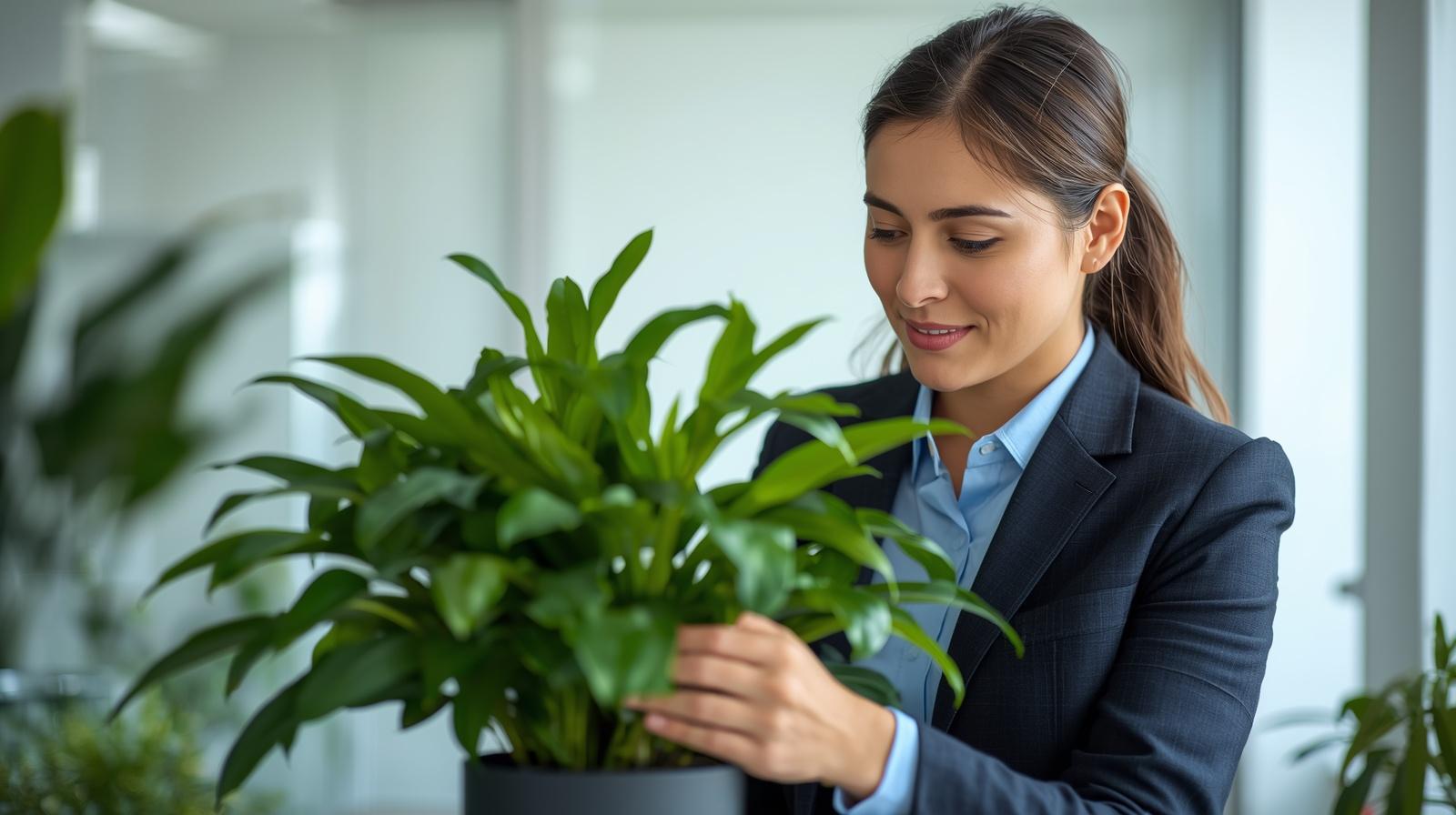
- Lower cortisol levels
- Reduce blood pressure
- Improve mood
- Increase concentration
- Enhance creativity
- Support emotional regulation
- Improve feelings of calm and relaxation
And in many cases, these effects can occur simply by being around greenery.
The Science Behind Plants and Stress Reduction
One of the most fascinating areas of research involves how plants influence the nervous system. Studies published in psychological and behavioral health journals have found that people who engage with plants (through gardening, caring for indoor plants, or even simply viewing greenery) often report lower levels of stress and anxiety.
Researchers believe this happens because interaction with nature helps suppress overactivity in the sympathetic nervous system, which controls the body’s stress response. In other words, plants may help shift the body out of “fight-or-flight” mode.
This is significant because chronic stress keeps the body in a prolonged state of alertness. Over time, this can affect sleep, concentration, emotional stability, immune function, and even cardiovascular health. Nature appears to interrupt that cycle.
Participants in several studies have shown measurable reductions in:
- Cortisol (the body’s stress hormone)
- Heart rate
- Muscle tension
- Blood pressure
At the same time, individuals often report feeling:
- More peaceful
- More focused
- Less mentally fatigued
- More emotionally balanced
For something as simple as interacting with plants, those are remarkable outcomes.
Indoor Plants and Workplace Wellness
.jpg) One
of
the
most
exciting
discoveries
in
recent
years
is
how
indoor
plants
impact
workplace
environments.
Organizations
have
long
searched
for
ways
to
improve
employee
engagement,
creativity,
focus,
and
morale.
While
wellness
programs
often
focus
on
large
initiatives,
some
research
suggests
that
even
modest
environmental
changes
can
produce
meaningful
results.
One
of
the
most
exciting
discoveries
in
recent
years
is
how
indoor
plants
impact
workplace
environments.
Organizations
have
long
searched
for
ways
to
improve
employee
engagement,
creativity,
focus,
and
morale.
While
wellness
programs
often
focus
on
large
initiatives,
some
research
suggests
that
even
modest
environmental
changes
can
produce
meaningful
results.
Studies examining office environments enriched with greenery have found improvements in:
- Employee satisfaction
- Productivity
- Creativity
- Focus and concentration
- Overall mood
Researchers at several universities have observed that workers in environments with plants often perform better on attention-related tasks and report greater emotional well-being throughout the workday. This matters because mental fatigue is one of the biggest barriers to productivity.
Constant digital engagement, multitasking, and prolonged screen exposure place significant demands on the brain. Plants may help counterbalance some of that cognitive overload by creating a calmer, more restorative environment. Even simple additions, such as plants in conference rooms, reception areas, workstations, or break rooms, can contribute to a healthier atmosphere.
Plants and Air Quality
Another reason plants support mental wellness is their effect on indoor air quality. Indoor air pollution is often surprisingly high. Many indoor spaces contain airborne toxins, poor ventilation, and low humidity levels that can contribute to headaches, fatigue, respiratory irritation, and difficulty concentrating. Certain plants help filter airborne particles and improve oxygen levels.
Research has associated greener indoor environments with:
- Fewer headaches
- Less eye irritation
- Reduced respiratory discomfort
- Lower fatigue levels
When people physically feel better, mental wellness often improves alongside it.
Gardening and the Brain: More Than Just a Hobby
While indoor plants offer benefits, gardening introduces an entirely different level of engagement.
Gardening combines:
- Physical movement
- Sensory stimulation
- Mindfulness
- Sunlight exposure
- Fresh air
- Purpose-driven activity
Together, these create a powerful wellness experience. For many people, gardening naturally becomes a form of mindfulness practice. When watering plants, pulling weeds, trimming leaves, or planting seeds, attention shifts into the present moment. The brain slows down. Mental clutter decreases. Stress begins to ease.
Unlike activities that involve constant stimulation, gardening encourages sustained focus and calm attention. This is particularly valuable in a world where many people rarely experience moments without digital interruption.
The Fascinating Connection Between Soil and Serotonin
 One
of
the
most
intriguing
discoveries
in
this
field
involves
a
naturally
occurring
soil
bacterium
called
Mycobacterium
vaccae.
Researchers
have
found
that
exposure
to
this
beneficial
soil
microorganism
may
stimulate
serotonin
production
in
the
brain.
One
of
the
most
intriguing
discoveries
in
this
field
involves
a
naturally
occurring
soil
bacterium
called
Mycobacterium
vaccae.
Researchers
have
found
that
exposure
to
this
beneficial
soil
microorganism
may
stimulate
serotonin
production
in
the
brain.
Serotonin is one of the neurotransmitters associated with:
- Mood regulation
- Emotional stability
- Relaxation
- Feelings of well-being
Some studies suggest that interacting with soil may produce effects similar to certain antidepressant responses in the brain. While gardening is not a replacement for professional mental health care, the research surrounding soil exposure is fascinating because it highlights how deeply connected humans are to natural environments. Simply put, there may be biological reasons why people often feel calmer and happier after spending time gardening.
Gardening Creates Purpose and Routine
Mental wellness often improves when individuals experience a sense of structure, purpose, and progress. Gardening naturally provides all three. Plants require regular care. They need watering, attention, patience, and consistency. Over time, growth becomes visible. That process can be incredibly rewarding.
Watching something grow because of your effort creates a sense of accomplishment and connection. This is especially valuable for individuals struggling with stress, emotional exhaustion, or feelings of helplessness. Gardening also encourages routine. Daily or weekly plant care becomes a grounding activity, something predictable and calming in an otherwise fast-paced world.
The Benefits for Children and Teens
The mental health benefits of plants and gardening are not limited to adults.
Research has suggested that gardening and outdoor interaction may help children by:
- Improving attention span
- Reducing stress
- Encouraging emotional regulation
- Supporting sensory engagement
- Reducing excessive screen time
For children with attention challenges or anxiety, nature-based activities can be especially beneficial. Gardening also teaches patience, responsibility, and resilience. Children learn that growth takes time and that care produces results. For teenagers facing social pressure, digital overload, and self-esteem struggles, gardening can provide a healthier sense of achievement and connection.
Community Gardens and Social Wellness
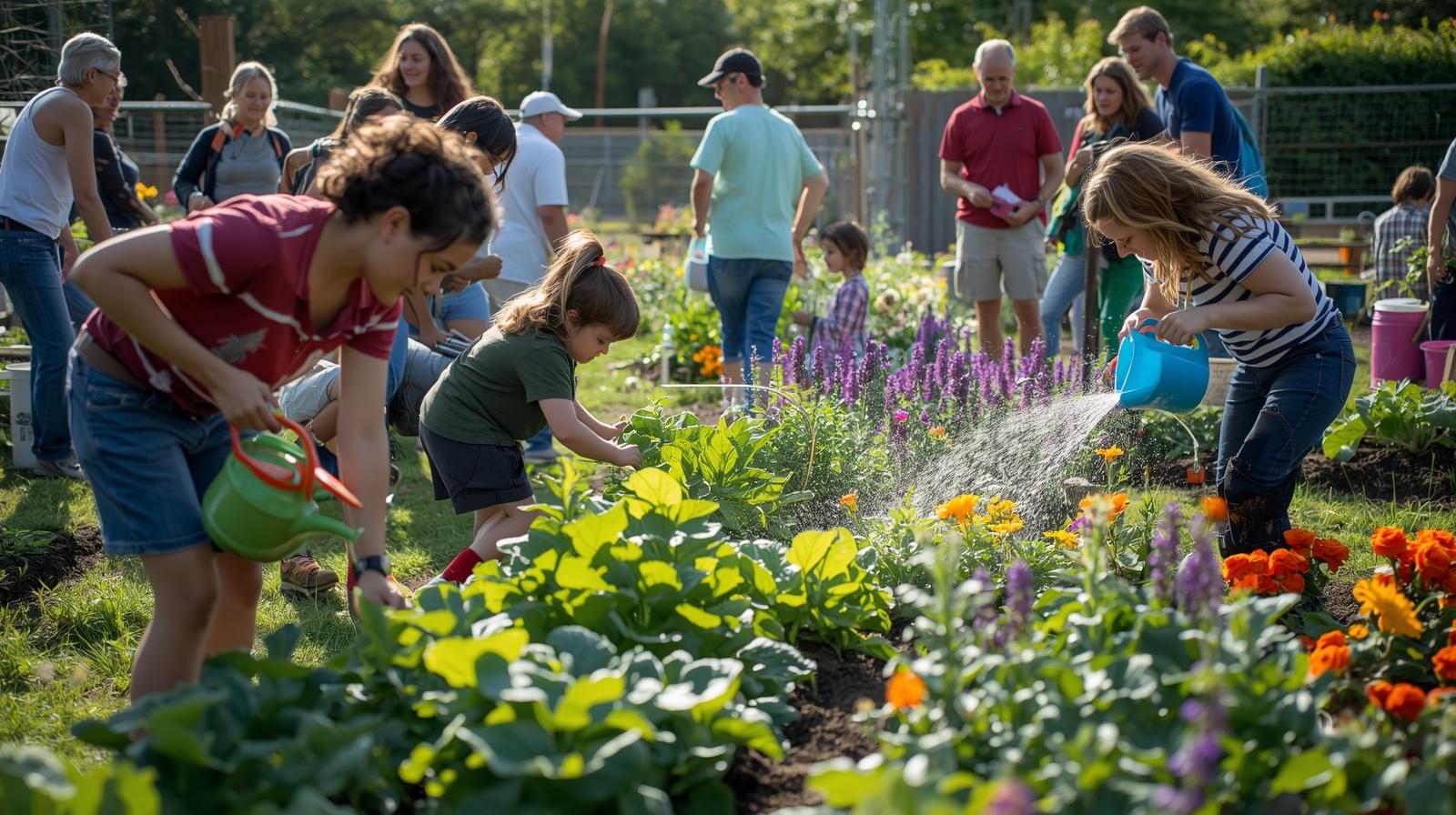 Another
powerful
aspect
of
gardening
is
its
ability
to
reduce
loneliness
and
strengthen
social
connection.
Community
gardens
have
become
increasingly
popular
in
cities
and
neighborhoods
around
the
world
because
they
combine
wellness
with
human
interaction.
Another
powerful
aspect
of
gardening
is
its
ability
to
reduce
loneliness
and
strengthen
social
connection.
Community
gardens
have
become
increasingly
popular
in
cities
and
neighborhoods
around
the
world
because
they
combine
wellness
with
human
interaction.
Even minimal social engagement (working alongside others, sharing a common goal, or simply being present in a shared space) can positively impact mental health. Loneliness has been strongly linked to higher levels of depression, anxiety, and emotional distress. Gardening creates opportunities for connection without the pressure of formal social interaction.
How Organizations Can Incorporate Nature Into Wellness Programs
Leaders looking to improve workplace wellness do not need to overhaul entire office buildings to begin seeing benefits. Small changes can make a meaningful difference.
Some practical strategies include:
- Adding indoor plants throughout the office
- Creating green break areas
- Encouraging outdoor walking meetings
- Supporting community garden initiatives
- Providing access to natural light
- Incorporating nature-inspired design
- Offering wellness activities connected to gardening or outdoor spaces
Organizations can also encourage employees to personalize their workspaces with plants. Even simple greenery can create a calmer and more welcoming environment.
How Individuals Can Get Started
.jpg) The
good
news
is
that
you
do
not
need
a
large
backyard
or
extensive
gardening
experience
to
experience
these
benefits.
Starting
small
is
often
the
best
approach.
The
good
news
is
that
you
do
not
need
a
large
backyard
or
extensive
gardening
experience
to
experience
these
benefits.
Starting
small
is
often
the
best
approach.
Try Simple Indoor Plants: Low-maintenance plants like pothos, snake plants, succulents, or philodendrons are easy starting points.
Create a Small Herb Garden: Herbs like mint, basil, parsley, oregano, and chives grow well in containers and provide sensory benefits through smell and touch.
Spend More Time Outdoors: Even brief periods outside can help reduce stress and improve mood.
Build a Routine: Caring for plants in the morning or evening can become a grounding daily practice.
Focus on Joy, Not Perfection: Not every plant will thrive perfectly; and that is okay. The goal is wellness, not perfection.
The Bigger Picture
The connection between plants and mental health reminds us of something important: Wellness is not always found in complicated solutions.
Sometimes it is found in slowing down, stepping outside, touching the soil, breathing fresh air, and reconnecting with the natural world our brains were designed to interact with. As research continues to grow, one thing is becoming increasingly clear: nature is not just aesthetically pleasing, it is biologically supportive.
Plants can help calm the nervous system, improve focus, encourage mindfulness, support emotional wellness, and even strengthen workplace performance. For individuals, this may mean adding a few plants to a home or starting a small garden. For organizations, it may mean rethinking how workplace environments support the mental and emotional health of teams.
Either way, the message is powerful: Sometimes the path toward better mental wellness begins with something as simple as planting a seed.
