


Winter Foods for a Healthier, Happier Brain
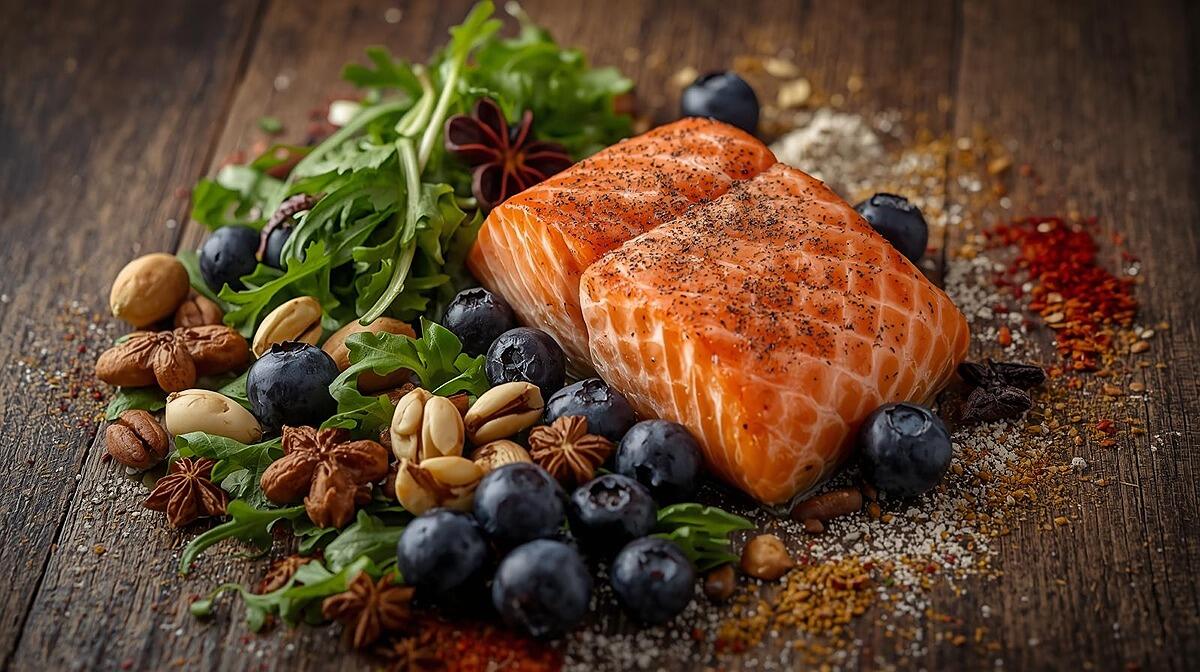
Winter doesn’t just change the weather it changes how your brain functions. Shorter days, reduced sunlight, and colder temperatures can affect mood, energy levels, and cognitive performance. Many people notice increased brain fog, lower motivation, or symptoms associated with seasonal affective disorder (SAD) during the winter months.
One of the most effective (and often overlooked) ways to support your brain during this season is through food. Seasonal winter foods are rich in nutrients that reduce inflammation, stabilize mood, and support neurotransmitter function. By eating in alignment with the season, you give your brain the biochemical tools it needs to stay resilient and balanced.
Why Nutrition Matters More in Winter
During winter, your brain faces additional stressors: less vitamin D from sunlight, disrupted circadian rhythms, and increased inflammation due to stress and reduced activity. These factors can interfere with serotonin and dopamine production, two neurochemicals critical for mood, motivation, and focus.
The good news? Certain foods can help counteract these changes by supporting brain chemistry and protecting neural function.
Nutritional Benefits of Seasonal Winter Foods
Below are some of the most powerful winter-friendly foods for brain health and emotional well-being.
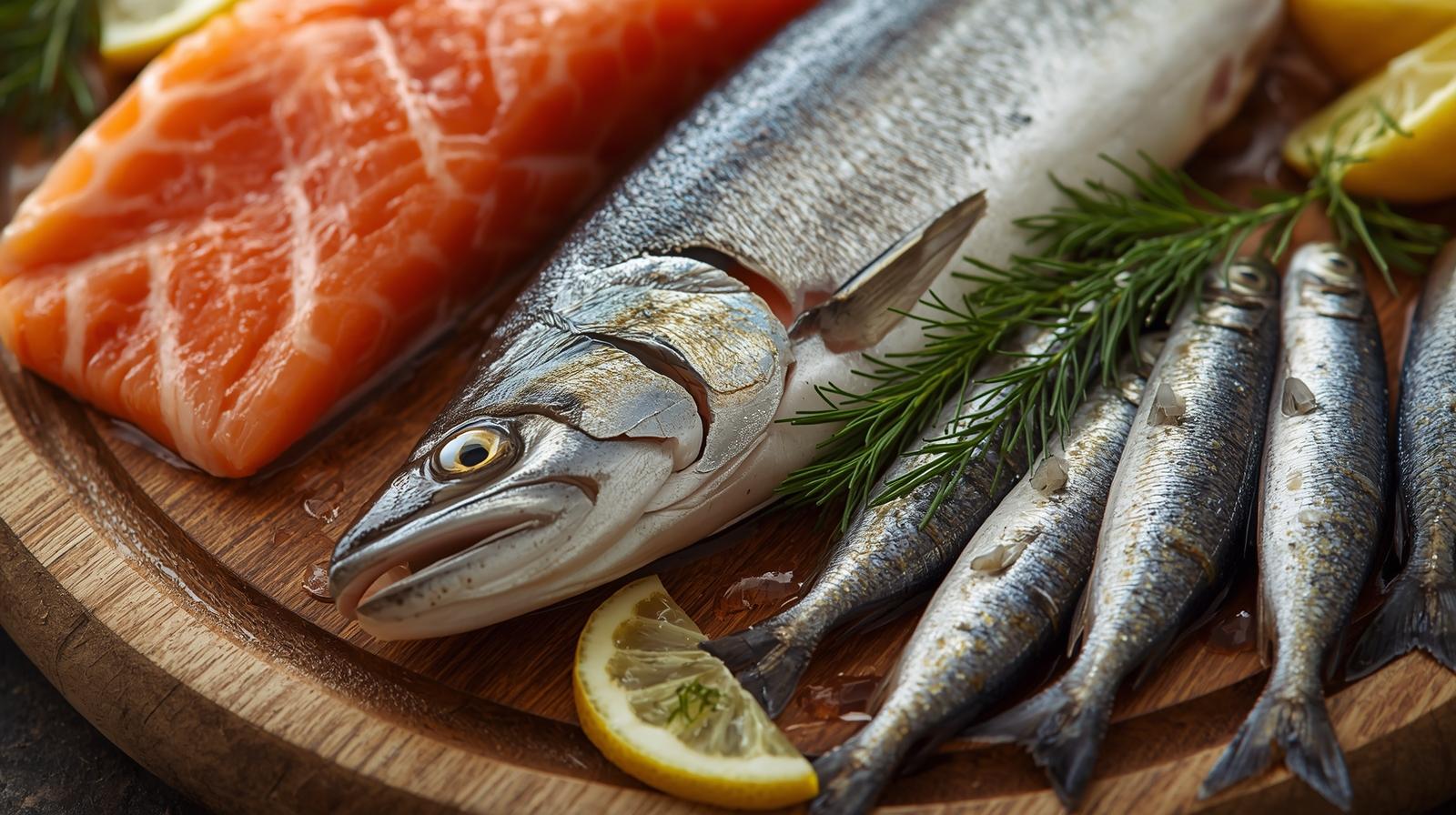 Fatty
Fish:
Salmon,
trout,
sardines
Fatty
Fish:
Salmon,
trout,
sardines
Fatty
fish
are
among
the
best
foods
for
the
brain,
especially
in
winter.
They
are
rich
in
omega-3
fatty
acids,
which
are
essential
for
maintaining
healthy
brain
cell
membranes
and
improving
communication
between
neurons.
Omega-3s
have
been
shown
to
reduce
inflammation,
support
cognitive
performance,
and
improve
mood
regulation.
Regular
consumption
of
fatty
fish
is
also
associated
with
lower
rates
of
depression
and
improved
emotional
stability,
making
it
particularly
helpful
during
darker
months.
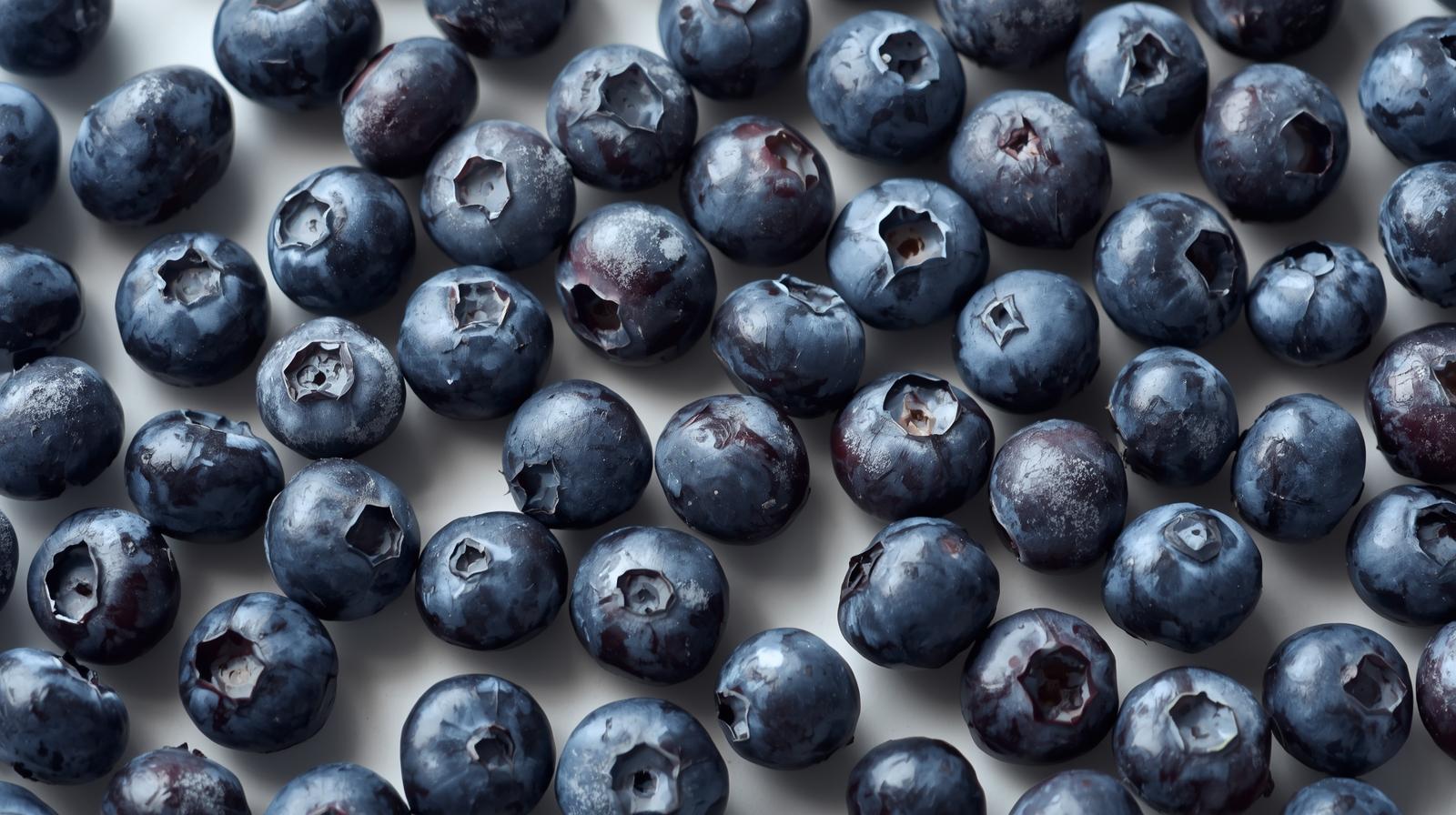 Berries:
Blueberries
Berries:
Blueberries
Blueberries
may
be
small,
but
they
pack
a
powerful
brain-protective
punch.
They
are
loaded
with
antioxidants
called
anthocyanins,
which
help
reduce
oxidative
stress
and
inflammation
in
the
brain.
These
compounds
support
memory,
improve
neural
signaling,
and
may
help
stabilize
mood
by
protecting
the
brain
from
stress-related
damage.
Frozen
berries
are
an
excellent
winter
option
and
retain
most
of
their
nutritional
value.
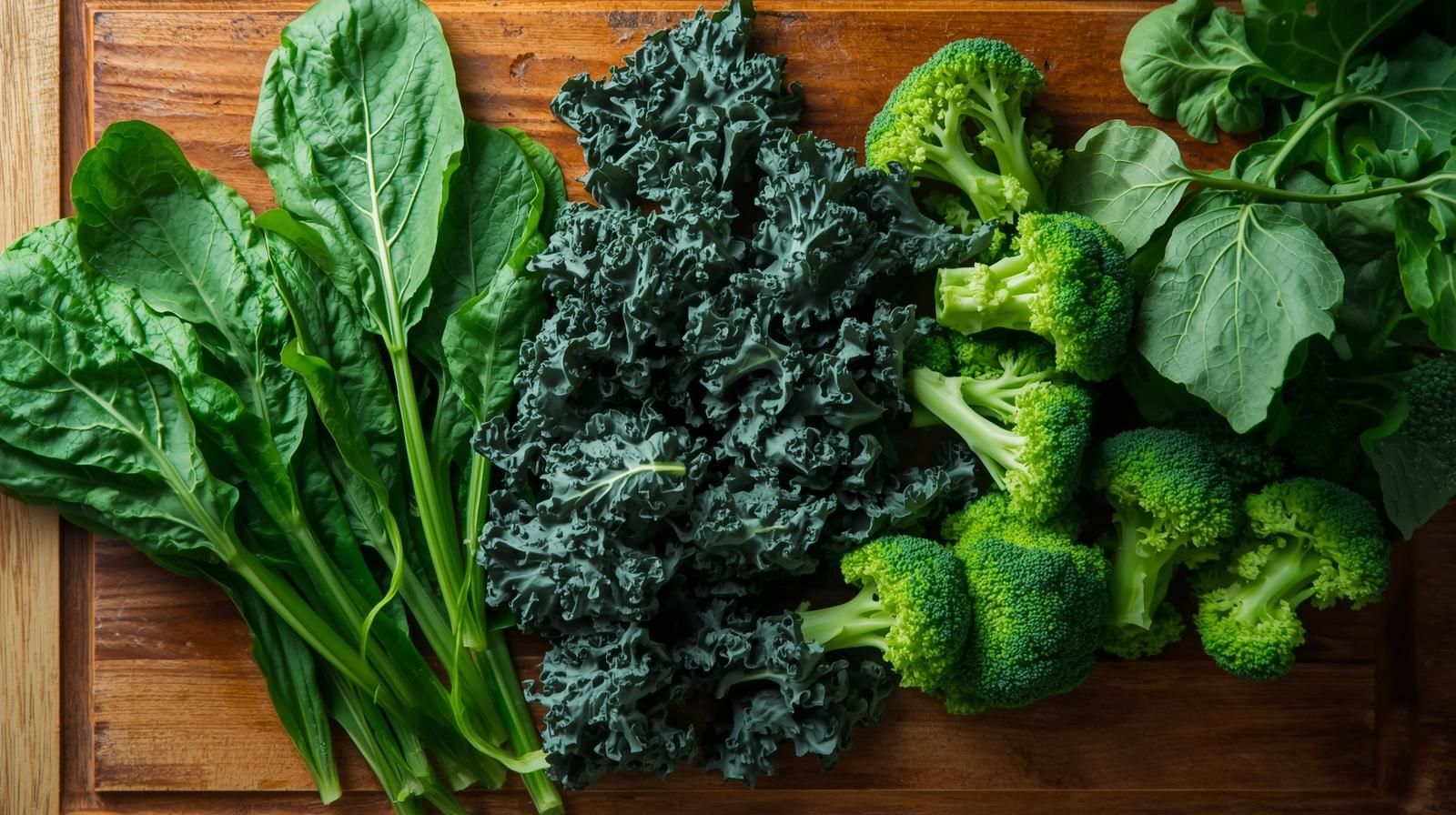 Leafy
Greens:
Spinach,
kale,
broccoli
Leafy
Greens:
Spinach,
kale,
broccoli
Leafy
greens
are
foundational
for
brain
health
year-round,
but
they’re
especially
important
in
winter.
These
vegetables
are
high
in
folate
and
magnesium,
nutrients
involved
in
neurotransmitter
production
and
nervous
system
regulation.
Folate
supports
serotonin
and
dopamine
synthesis,
while
magnesium
helps
calm
the
nervous
system
and
reduce
stress
reactivity.
Including
leafy
greens
regularly
can
support
emotional
resilience
and
mental
clarity
during
demanding
winter
months.
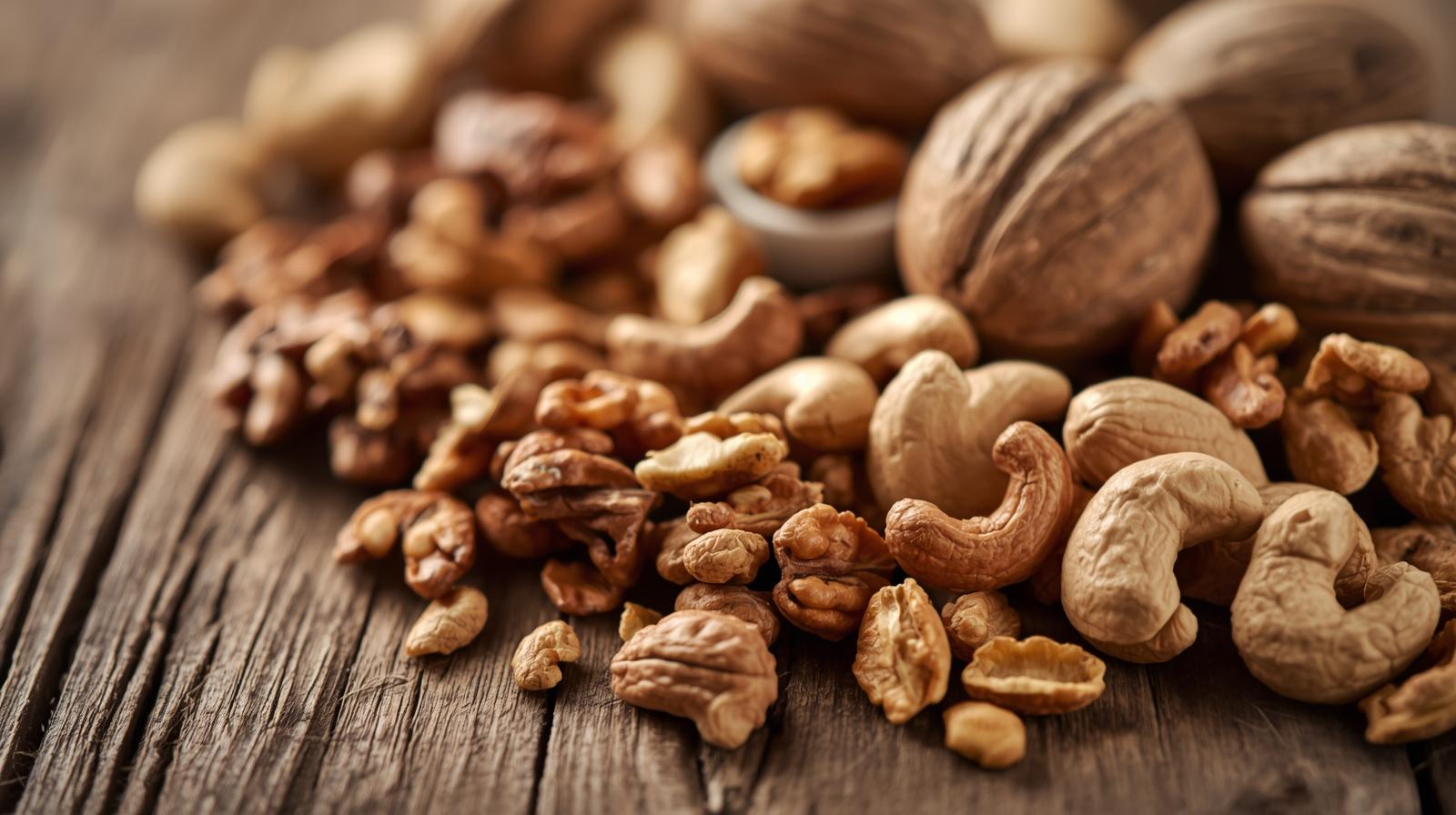 Nuts:
Walnuts,
cashews
Nuts:
Walnuts,
cashews
Nuts
provide
a
combination
of
healthy
fats,
protein,
and
micronutrients
that
support
brain
chemistry.
Walnuts
contain
omega-3
fatty
acids,
while
cashews
are
rich
in
magnesium
and
zinc.
Vitamin
E,
found
in
many
nuts,
helps
protect
brain
cells
from
oxidative
damage.
Together,
these
nutrients
support
serotonin
production,
improve
mood,
and
may
help
reduce
symptoms
of
anxiety
and
depression.
 Warming
Spices:
Turmeric,
cinnamon
Warming
Spices:
Turmeric,
cinnamon
Spices
do
more
than
add
flavor,
they
offer
meaningful
brain
benefits.
Turmeric
contains
curcumin,
a
powerful
anti-inflammatory
compound
linked
to
improved
mood
and
reduced
depressive
symptoms.
Curcumin
also
supports
brain
plasticity,
which
is
essential
for
learning
and
emotional
regulation.
Cinnamon
helps
regulate
blood
sugar
levels,
preventing
energy
crashes
that
can
negatively
affect
mood
and
focus.
Stable
blood
sugar
is
an
often-overlooked
factor
in
emotional
balance,
especially
in
winter
when
cravings
increase.
How to Incorporate These Foods into Your Routine
Supporting your brain doesn’t require a complete diet overhaul. Small, consistent changes can make a significant difference.
- Build balanced meals: Include fatty fish as a main protein a few times per week, and pair it with leafy greens and whole grains.
- Boost breakfast and snacks: Add berries to oatmeal, yogurt, or smoothies, and keep nuts on hand for easy, brain-supportive snacks.
- Cook with intention: Use turmeric and cinnamon in soups, roasted vegetables, teas, or warm beverages to enhance both flavor and function.
Nourishing Your Brain Through the Winter
Winter can be a demanding season for both mind and body, but food can be a powerful ally. By choosing seasonal, nutrient-dense foods that support brain chemistry, you’re not just eating for physical health, you’re actively supporting mood, focus, and emotional resilience.
Think of winter nutrition as a form of brain care. The more consistently you nourish your brain, the better equipped it will be to handle the season with clarity, steadiness, and strength.
-Julie "Brain Lady" Anderson